


.png)
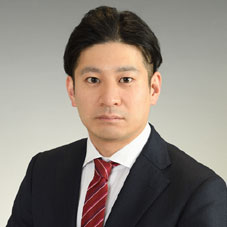
Tetsuya Nakagawa
CFO
In today’s fast-evolving business environment, the role of a Chief Financial Officer is undergoing a quiet but powerful transformation. Traditionally viewed as the guardian of financial reporting and compliance, the modern CFO is now expected to serve as a strategic partner to the CEO, a steward of long-term value, and a catalyst for sustainable growth. This shift reflects not just changes in global investor expectations and corporate governance norms but also the increasing complexity of capital markets and the growing importance of financial leadership in shaping a company’s future. At the forefront of this evolution is Tetsuya Nakagawa, the CFO of Oisix ra daichi, a pioneer in the organic food and e-Commerce space in Japan.
Tetsuya’s career path exemplifies the evolving CFO role. After graduating from the Faculty of Law at The University of Tokyo in March 2012, he joined PwC in April 2012. There, he found early satisfaction in applying theoretical accounting knowledge to realworld audits. Driven by a desire to engage more deeply with business finance, he transitioned to Morgan Stanley Tokyo’s Investment Banking Division in April 2015, before transferring to their New York office in August 2018. His accounting foundation served as a powerful tool for understanding markets and advising clients on complex transactions.
How do you align your financial strategy with the company’s wider business goals and objectives? Could you describe your leadership style and the key principles or methods you adhere to as a leader?
Aligning financial strategy with broader business goals is critical. My approach starts with a thorough understanding of the company’s long-term vision and strategic priorities. I work closely with the CEO, executives, and business unit leaders to ensure financial plans support these goals. We convert business objectives into measurable financial targets like revenue growth, profit margins, cash flow, and return on invested capital. This alignment ensures every investment, capital allocation, and risk management decision drives the company forward.
As a leader, I prioritize transparency, collaboration, and data-driven decisions
As a leader, I prioritize transparency, collaboration, and data-driven decisions. I encourage open communication to make financial insights accessible across teams. Empowering my team by delegating responsibility and providing necessary resources is key. I also promote continuous improvement, embrace new financial technologies, and uphold strict financial discipline to foster sustainable success.
How do you stay informed about evolving industry trends to effectively guide your organization into the future?
Staying updated on industry trends is essential for a CFO to lead effectively. I use a multi-pronged approach that includes regularly reviewing financial news, industry publications, and investment bank research. Attending industry conferences and CFO forums helps me gain insights into emerging trends, regulatory shifts, and best practices while providing valuable networking opportunities. Internally, I encourage collaboration across departments like sales, marketing, R&D, and operations to capture frontline insights on customer needs and technology. Additionally, I monitor macroeconomic factors, geopolitical developments, and technological changes to anticipate their impact and proactively adjust our financial strategies, ensuring the organization remains agile and forward-looking.
What is the ultimate goal or vision you are striving to achieve?
I am guiding our organization toward sustainable and profitable growth, supported by stronger financial resilience and agility. Our future vision includes highly automated financial operations using AI and machine learning to improve forecasting, reporting, and risk management. This will enable the finance team to focus more on strategic insights rather than routine tasks. We plan to expand our reach while maintaining a solid balance sheet and healthy cash flow to support growth initiatives. Another important goal is enhancing our ESG performance by integrating sustainability into financial decisions, increasing transparency, and aligning investments with responsible practices. Ultimately, I aim to establish our company as a leading and highly valued organization in Japan, recognized for both financial success and responsible corporate citizenship that creates lasting value for all stakeholders.
Drawing from your industry experience, what guidance would you offer to those aspiring to become leaders in this field?
For aspiring leaders in the finance field, my primary advice would be to cultivate a broad and deep understanding of the entire business, not just the numbers. While financial acumen is fundamental, true leadership in finance requires understanding the operational drivers of revenue and cost, the market dynamics, and the competitive landscape. Develop strong communication skills, as the ability to articulate complex financial information clearly and concisely to non-financial stakeholders is invaluable.
Furthermore, embrace continuous learning and adaptability. The financial world is constantly evolving due to technological advancements, regulatory changes, and global economic shifts. Be proactive in seeking new knowledge and be open to new ways of thinking. Build a strong network of mentors and peers, their insights and support will be invaluable throughout your career. Your reputation is your most valuable asset, and maintaining the highest standards of professionalism is paramount for long-term success and trust in the financial industry.
Tetsuya Nakagawa, CFO, Oisix ra daichi
Tetsuya Nakagawa is CFO of Oisix ra daichi. A University of Tokyo law graduate, he began his career at PwC, then held investment banking roles at Morgan Stanley in Tokyo and New York. He later became CFO at Amvis, took a personal development break in 2024, and joined Oisix in 2025.