


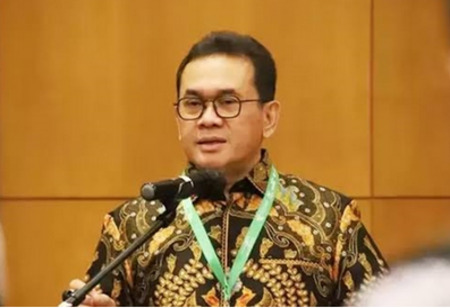
Trade Minister Budi Santoso has underscored the importance of adding value to spices through downstream activities as a strategic measure to elevate Indonesia's competitive advantage in the global market, thereby enabling its spices to effectively compete on an international scale.
He suggested that Indonesia's dependence on only comparative advantage in raw spices would hinder its ability to effectively compete with leading spice-producing countries like India and China.
Also Read: Samsung Electronics Names Mobile Chief as Co-CEO
Hence, the Ministry of Trade expressed approval for the introduction of the 2025–2045 Spice Roadmap which was instigated by the Ministry of National Development Planning (Bappenas).
Key commodities outlined in the roadmap consist of nutmeg, pepper, clove, cinnamon, vanilla, and temulawak or Javanese turmeric.
This tactical move is deemed essential to revitalize the prominence of the archipelago's spices and reinforce Indonesia's standing in the international market.
He emphasized that the ministry, functioning in the downstream sector, plays a key role in promoting and marketing products.
The primary difficulty arises when these products are in their raw form or considered commodities with no additional value. He believes that the process of spice downstreaming should be grounded in available resources to develop high-value products, thereby gaining a competitive edge necessary for entering global markets.
Also Read: Hyundai Motor CEO Calls for Resilience, Adaptability
“So, for exports, the resource base must be considered. The resource base is this downstreaming. Once downstreamed, we gain a competitive advantage,” he explains.
He elaborated on the ministry's implementation of strategic initiatives aimed at enhancing the international spice trade, which includes initiatives such as establishing export market opportunities through trade partnerships and programs.
These efforts also involve supporting small enterprises in exporting their goods by providing assistance through a network of 46 Indonesian trade representatives stationed in 33 nations.
Also Read: Party Chief Sets Guidelines for Feedback on Draft Documents
The department is also responsible for the development of export-focused villages known as Desa BISA Ekspor, and it partners with five government ministries and agencies to support the Rasa Rempah Indonesia (S'RASA) culinary initiative aimed at promoting Indonesian cuisine internationally, thereby enhancing the export of spices and seasonings.