


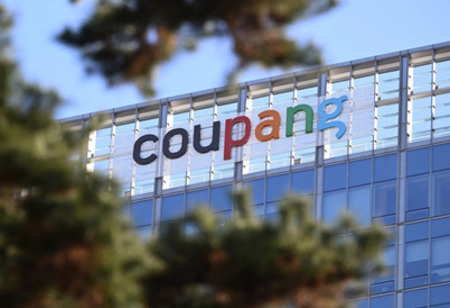
 The Fair Trade Commission (FTC) has authorized a 3 billion won ($2 million) "co-prosperity" compensation package put forth by Coupang to address accusations that the e-commerce leader unjustly reduced supply prices for its private brand (PB) offerings.
The decision will enable Coupang to evade regulatory penalties and will instead support product development, marketing, and other associated costs for its subcontractors.
Also Read: Daewoo E&C Launches Sales for Jangwi Prugio Mark One
Since October 2022, Coupang has been being examined for breaching the Fair Transactions in Subcontracting Act. The company reportedly did not provide formal, legally binding contracts to 314 subcontractors. It was further charged with compelling 94 suppliers to finance uncontracted promotional events and reduce supply prices for its private label products.
The FTC completed the consent decree for Coupang and Coupang Private Label Brands, which oversees the production and sales activities for the retailer's private label products.
Through the consent decree, firms may resolve antitrust disputes without accepting fault by providing voluntary solutions. The ruling signifies the initial instance a consent decree has been completed for price fixing since this tool was added to the act in July 2022.
The result stands in stark contrast to a decision made last week, when the FTC dismissed a different, significantly larger 60 billion won co-prosperity plan from Coupang Eats.
In that instance, the regulator rejected Coupang Eats’ request to stop an investigation into claims that the food delivery service leveraged its dominant market position to coerce its restaurant partners into inequitable agreements.
Also Read: LG Innotek to Co-Develop Large AI Substrate With Big Tech Firm
The FTC declined to accept Coupang's self-remedy proposal in that instance, stating that partner merchants and customers suffered due to its unfair business practices and that the platform's actions restricted free market competition, necessitating strict penalties. Nonetheless, in the latest instance, the regulator considered that Coupang had suggested the promotional activities but did not mandate them, complicating the legal situation.
In that scenario, the regulator denied Coupang Eats' request to stop an investigation into claims that the food delivery service leveraged its leading market status to coerce its restaurant partners into unjust contracts.
The FTC declined to accept Coupang's self-remedy proposal in that instance, stating that partner merchants and customers were harmed by its unfair business practices and that the platform's actions restricted free market competition, necessitating strict penalties.
Also Read: Vietnamese, Lao Justice Ministers Vow Deeper Collaboration
Nevertheless, in the latest instance, the regulator noted that Coupang suggested the promotional events rather than mandated them, complicating the legal classification of these actions as unfair business practices.