


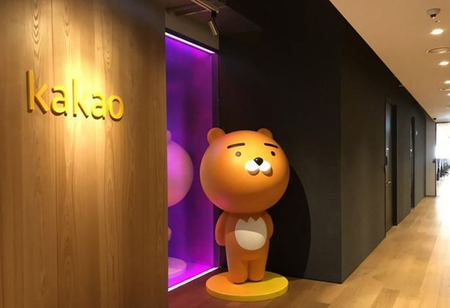
Kakao’s recovery initiatives are encountering increasing difficulties due to poor execution in artificial intelligence (AI), stagnating core operations, and rising labor disputes that obscure its growth prospects, despite expectations of strong profits for another quarter fueled by restructuring and cost management.
Samsung Securities announced that Kakao's operating profit for the second quarter is anticipated to grow 18 percent year-on-year to 231.1 billion won ($154.4 million), with revenue projected to rise 1.2 percent to 2.48 trillion won, fueled by asset divestitures and restructuring efforts. The brokerage revised its target price downward to 44,000 won from 60,000 won, indicating worries that the firm's growth plans faced obstacles.
Also Read: PM Urges Lao Cai to Turn Advantages into Development Drivers
“Kakao’s introduction of AI agents, which it has positioned as a growth driver, is failing to deliver results, while its restructuring efforts are also losing momentum due to labor opposition," according to Samsung Securities analyst Oh Dong-hwan.
He stated that justifying a valuation premium compared to peers was challenging in the present situation, mentioning ongoing labor disputes and the absence of clear advancements in AI commercialization.
Over the last two years, Kakao has been reducing its extensive business portfolio under CEO Chung Shin-a, decreasing the count of affiliates from more than 140 to about 90 via mergers, divestitures, and the closure of non-core operations. The reorganization has enabled the company to achieve a record operating profit of 211.4 billion won in the first quarter this year, with market expectations indicating further enhancement in the second quarter.
Nonetheless, markets continue to doubt Kakao’s long-term growth potential, perceiving its earnings to be mainly the result of cost reductions instead of enhancements to core business fundamentals.
Kakao's main operations are exhibiting indications of reduced momentum. The expansion in its KakaoTalk advertising division has slowed down, while commerce revenue has stayed almost unchanged despite an increase in transaction volumes. Its content division, which includes the Japanese webtoon platform Piccoma, has declined due to lower demand and an absence of major hits.
The risks have also risen as internal conflicts intensify. Kakao's workers' union, representing staff from five subsidiaries, has persisted in strike actions regarding pay, salary hikes, and job stability after the reorganization. The union plans to stage another demonstration on July 21, after strikes that took place last month.
Also Read: Indonesia Sees S&P Rating as Boost to Investor's Confidence
Ongoing legal issues involving its founder Kim Beom-su regarding suspected stock price manipulation during Kakao’s takeover of SM Entertainment have introduced additional governance uncertainty. Conversely, its competitor Naver has been adopting a strategy focused on substantial investments that values long-term expansion over immediate earnings. The firm is growing into AI infrastructure and business services, with intentions to establish gigawatt-scale AI data centers in collaboration with Nvidia, despite increasing costs affecting profit margins.
Naver has identified AI infrastructure as a crucial medium to long-term growth catalyst, announcing last month intentions to develop an AI factory data center with a capacity of approximately 1 gigawatt within the next five to six years.
Also Read: Hyundai Rotem's K2 Acquires NATO Quality Certification
The firm intends to produce approximately 20 trillion won in additional yearly income from the initiative and plans to participate in government-driven megaprojects for establishing regional AI data centers nationwide.