


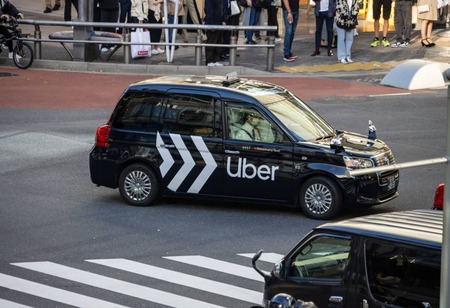
Uber plans to invest approximately Dh184 million (nearly $50 million) over the next two years to expand its autonomous ride-hailing services across Dubai. The company shared its expansion plans with Dubai authorities during Dubai Future Week on November 18.
The investment will support the development of operational infrastructure, local partnerships and a hybrid fleet featuring both self-driving and human-operated vehicles.
Uber also aims to expand its commercial robotaxi services to additional residential, commercial and high-traffic areas through its app by the end of 2027. The company will also deepen collaborations with businesses specialising in autonomous driving technology.
The next stage of the rollout will introduce door-to-door autonomous rides in Jumeirah and Umm Suqeim. Passengers will be able to book trips directly through the Uber app and travel within designated service areas without relying on fixed pick-up or drop-off points. For instance, users could book a ride between Kite Beach and Madinat Jumeirah.
Following this, Uber plans to bring the service to Downtown Dubai, the Dubai International Financial Centre (DIFC) and Business Bay. The expansion is expected to improve connectivity between residential neighbourhoods, business districts, commercial centres and popular tourist destinations.
Also Read: Italy Taps Singapore as Fintech Gateway to Expand Across Asia
Initially, autonomous vehicles will operate with safety personnel onboard. Each vehicle will have a trained specialist monitoring its operations before fully driverless commercial services are introduced in the following months. The transition will depend on operational readiness and the required regulatory approvals.
Also Read: Oman Wealth Fund Completes $4.2 Billion Projects
Mattar Al Tayer, Director General and Chairman of the Board of Executive Directors of Dubai's Roads and Transport Authority (RTA), described the investment as a significant step forward in the city's autonomous mobility ambitions.
“This investment represents an important step in the transition from pilot projects and limited autonomous vehicle operations towards the wider deployment of integrated commercial services,” he said.
Also Read: Jaishankar, Senior Japanese Leaders Talks Deeper Economic Ties
Al Tayer also highlighted the RTA's continued efforts to strengthen partnerships with international autonomous driving companies while developing the necessary regulations and supporting infrastructure. The authority also intends to improve integration between autonomous transport services, public transportation and first- and last-mile connectivity options.