


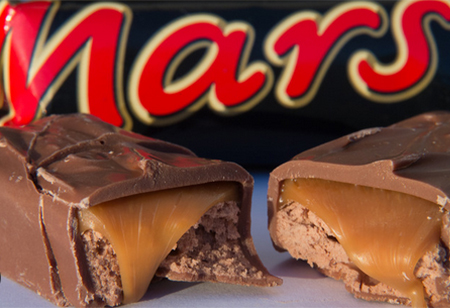
Products like chocolates in Southeast Asia have difficulty thriving in business due to extreme heat waves. The heat may melt chocolates but it is never strong enough to burn the ideas of one of the world’s best chocolate brands, Mars. Although each of Mars chocolate varieties flawlessly bring a massive revenue to the brand, unlocking market success in emerging markets is another significant challenge Mars Wrigley, the producer, seems enthusiastic to solve.
Mars Wrigley has eyes on growing markets such as Indonesia, Vietnam, and the Philippines. The reason is that Indonesia chocolate confectionary market, in particular, is expected to rise at a compound annual growth rate of 7.2 percent through 2034, thanks to continuous urbanization and exposure to Western lifestyles as evidenced by market research firm Future Market Insights.
Additionally, Mars Wrigley estimates that the treats and snacks sector in Asia (apart from China, Japan, and India) is valued at approximately $32 billion and still has fuel for expansion. It’s only natural that a brand like Mars would feel ambitious about the region to double its snacking division's yearly revenue to $36 billion in the next 10 years.
The brand is also positive about the opportunities that the region’s retail channels hold. Local shops, which are typically located closer to residential areas than larger supermarkets, are believed to be seeing an increase in customer traffic. The confectionery giant did think that these shops would have gradually vanished. Instead, these shops forged ties with e-commerce businesses and appeared to be thriving with fulfillment services, and collaborating with food delivery firms like Grab and Foodpanda. Even mom-and-pop stores managed to carve out a place for themselves.
Although opportunities are abundant for selling chocolate products in Southeast Asia, consumption is still comparatively low, considering it a rare indulgence. Mars believes that offering smaller portions—or smaller packs of happiness—could encourage the area's residents to consume more chocolate.
Heat Resistant Chocolates
Mars has already patented a heat-resistant chocolate that does not melt in warm weather conditions. The company's scientists say that the chocolate bar can survive warmer regions as they have substituted cocoa butter with an alternative. One of the primary constituents of chocolate, cocoa butter, melts at about 37°C.
But to make them heat resistant, Mars utilizes organic sugar sweeteners called polyols.
By nature, Polyols have a substantially higher melting point, with some of its constituents believed to be able to tolerate temperatures as high as 105°C compared to cocoa butter.
Provision of Chillers
Mars is packaging its products in a way that keeps them cool. The confectionery leader is observed to have been supplying chillers to shops to keep the chocolates shape and temperature intact. Additionally, Mars is exploring technological options by researching on creating chocolate that can withstand heat.
Striking Localization
Due to the changing choices and lifestyles of consumers the snack and food market has to keep reinventing its products to match the tastes and keep up its mark in the market. There is a wide variety of snack options since convenience, health, and enjoyment are important factors. The demand for quick, filling nibbles, busy lifestyles, and on-the-go consumption have all contributed to a steady increase in snack sales worldwide.
For Mars Wrigley, that idea has been to embark on using a product localization strategy to increase the value of chocolate sales in emerging areas by 2024.
For instance, Snickers with bacon flavor will only be sold in Brazil. Chocolate lovers in India can indulge in Snickers flavored with pistachios, saffron, and almonds.
All of this is a part of a strategy to bring the annual average amount of chocolate consumed in new countries closer to that of Europe, even in the setting of a slow-growing candy business.
The approach takes into account the importance of listening to local markets, which is just as important for product creation as brand governance is for international success.
Maintain Sustainable Cocoa Plantations
Farmers in the primary cacao-growing countries of West Africa and Southeast Asia still do not have better living conditions despite the increased global demand for chocolate and other cacao products. The business must change quickly in response to rising customer demand for sustainable sourcing as well as increased knowledge of the labor and environmental dangers associated with tropical agriculture.
Major chocolate company Mars is demonstrating that even large brands can source directly from suppliers, with obvious benefits for profit and sustainability, on the Indonesian island of Sulawesi. In Sulawesi, Mars established its own facilities for harvesting and processing cocoa in recent years, purchasing directly from farmers rather than through intermediaries as it had in the past. According to a representative for Mars Indonesia, this enables the business to assist farmers in making investments in higher-quality cocoa, such as by buying better agricultural supplies or receiving training in new methods. Additionally, it implies that Mars can make certain that farmers abide by the company's human rights and sustainability policies.
The massive consumer goods company is already making money. Due to its capacity to pay a higher price and the ties it had established with producers, it was able to increase its sourcing from Sulawesi even as the region's overall cocoa production decreased.
Conveyor belts from Mars carry millions of Snickers, Milky Way, Three Musketeers, and Twix bars that are destined for Christmas celebrations worldwide. Mars hopes to quadruple its yearly sales to $36 billion from $18 billion in the next ten years from its snacking segment, which also produces popular brands, including M&Ms, Skittles, Starburst, Extra and Wrigley's chewing gums, Altoids, and Dove chocolate. That would boost the business's overall yearly revenue, which it reported was $47 billion in 2018 and will reach $50 billion in 2023.