


The American Chamber of Commerce in Korea (AMCHAM) urged for consistent, internationally aligned health care policies to enhance patient access, foster innovation, and draw global investment.
The call was received during the Healthcare Innovation Seminar 2026, organized by AMCHAM in Seoul.
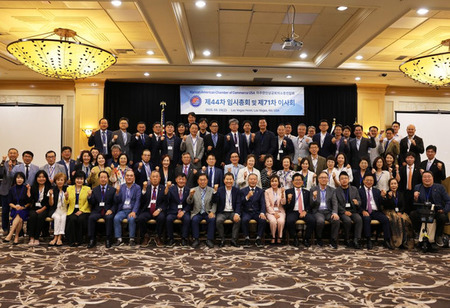
Approximately 150 public officials, business executives, and health care specialists from Korea and the US participated in the 17th annual event.
Under the theme “From Reform to Execution: Establishing a Reliable Healthcare Innovation Ecosystem,” attendees examined how Korea can convert healthcare reforms into concrete results while fostering a more innovation-supportive regulatory framework.
Also Read: Chipotle Open First Restaurant in Seoul, Begins Asian Expansion
The conversations took place during the ongoing Korea-US negotiations regarding regulatory competitiveness and nontariff obstacles. Participants emphasized the need for consistent policy execution, adherence to international standards, and enhanced collaboration between the public and private sectors to boost Korea's health care competitiveness.
“Korea has made meaningful progress on healthcare reform. The priority now is to translate that progress into tangible results through implementation that is predictable and transparent, expands patient access and supports continued innovation,” AMCHAM Chairman James Kim says.
“Pricing reform, vaccines and AI will play a central role in shaping the future of healthcare in Korea,” Kim says, adding that closer U.S.-Korea cooperation could create opportunities by combining US innovation and global experience with Korea’s talent, infrastructure and technology.
The agenda emphasized three key areas: executing pharmaceutical pricing reforms revealed by the Ministry of Health and Welfare at the end of 2025, enhancing Korea’s vaccine infrastructure, and creating policy routes for AI-driven healthcare and precision medicine.
Lee Hyung-hoon, the second vice minister of health and welfare, stated that enhancing treatment accessibility, reinforcing health security, and elevating the competitiveness of Korea’s biohealth sector via regulatory changes are governmental priorities.
Also Read: LG Energy Solution Inks Lithium Deal With Smackover Lithium
He stated that the national health insurance program will reduce the time required for reimbursement listings for rare disease therapies and enhance value assessments based on outcomes.
The vaccination session emphasized immunization throughout life, advancements in vaccines, and readiness for upcoming public health issues. Jung Tong-ryoung, director-general of the Korea Disease Control and Prevention Agency’s Department of Healthcare Safety and Immunization, stated that Korea must evolve from a vaccination system centered on childhood due to its aging population.
The concluding session explored AI-enhanced healthcare and precision medicine. Speakers urged the implementation of regulatory structures that uphold elevated standards while adapting to swiftly evolving technologies.
Also Read: LEAP Opens With $15 Billion in Tech Investments, Partnerships
Participants concurred that clear policy execution, internationally harmonized rules, and enhanced collaboration between public and private sectors are vital for boosting patient access and fostering sustainable development in Korea's healthcare industry.