


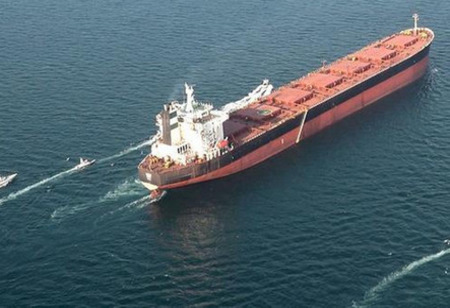
Iran announced that its Security Council has granted permission for the safe passage of six fuel-carrying ships from Bangladesh that are currently waiting to traverse the Strait of Hormuz in the midst of ongoing conflict in the region.
The Iranian Ambassador to Bangladesh, Jalil Rahimi Jahanabadi, stated during a press briefing in the capital city of Dhaka that there are no issues concerning the transit of Bangladeshi fuel vessels through this passage.
Also Read: PM Stresses Need to Diversify Oil Supply at Nghi Son Refinery
Bangladesh previously made a formal request to Iran for permission for their vessels to transit through the strait, in response to the attacks carried out on Iran by the US and Israel on February 28, and the subsequent retaliation by Iran.
The ambassador conveyed dismay regarding Bangladesh's formal response to the Israeli-US attacks on his nation, noting the lack of condemnation for the aggression that contravenes both the UN Charter and international law.
Jahanabadi asserted that the previous administration of the US managed to steer clear of what he referred to as an "Israeli trap", but suggested that President Donald Trump succumbed to this trap under the influence and provocation of Israel, consequently escalating tensions in the region towards conflict.
The statement from the envoy coincided with concerns expressed by officials that Bangladesh's fuel reserves are currently limited to less than a month's supply.
Energy Division officials have indicated that they have not yet received a formal communication from Iran, but have observed positive developments in this regard. Jahanabadi mentioned that the embassy in Dhaka has transmitted details and images to Tehran to illustrate the challenges encountered by Bangladeshis amidst the continuing conflict.
Also Read: Malaysia's Ships Allowed to Pass Strait of Hormuz, PM Anwar Says
Last week, the energy sector furnished the foreign ministry with a comprehensive inventory of six vessels destined for Bangladesh, comprising five shipments of liquefied natural gas (LNG) from Qatar and one shipment of crude oil from Saudi Arabia. These vessels are transporting approximately 500,000 metric tonnes of LNG and roughly 79,000 metric tonnes of crude oil.
Bangladesh relies significantly on imported energy sources, with roughly 25 percent of its natural gas requirements and nearly all crude/refined oil being brought in from other countries. This reliance poses significant challenges to the nation's energy security.
Since February 28th, there has been a substantial collaborative military operation conducted by the United States and Israel targeting Iran. This operation has prompted a retaliatory response from Iran, leading to the escalation of hostilities throughout the Gulf region. The attacks by Iran in the Hormuz Strait have had a significant impact on maritime transportation, particularly disrupting vital supply chains for crude oil on a global scale.
Also Read: WPP Names Kyoko Matsushita as APAC CEO of WPP Creative
The strait, a slender passage for maritime traffic linking the Persian Gulf to the Indian Ocean, is currently obstructed, resulting in a significant decrease in the movement of numerous vessels daily, such as container ships, dry bulk carriers, and oil tankers.