


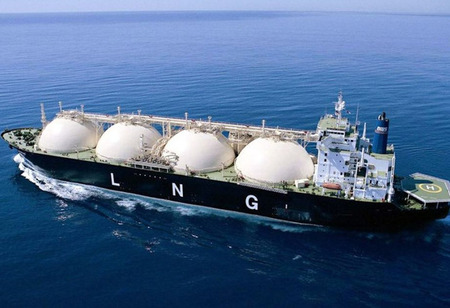
Liquefied natural gas (LNG) is regaining strategic significance as the government reevaluates its energy composition to facilitate substantial investments in artificial intelligence (AI) data centers and semiconductor production, while an extended global surge in LNG enhances the outlook for the nation's overall LNG supply chain.
Seoul is reassessing the domestic role of LNG after having aimed to decrease its contribution to the national power mix in line with long-term decarbonization goals.
The rising electricity demand driven by AI infrastructure and semiconductor production has reemphasized the role of LNG-fired power generation as a flexible backup option to manage the variability of renewable energy.
Also Read: Telecoms Set for Mixed Q2 as AI Investment Race Looms
The government is anticipated to evaluate a significant rise in the proportion of LNG power in a new electricity strategy, which will be created later this year. It is also reported to be considering a proposal to address a portion of the 6.3-gigawatt power demand of Samsung Electronics and SK hynix’s proposed semiconductor cluster in the southwestern area with LNG combined-cycle plants.
Executives have additionally requested increased policy backing for LNG in conjunction with nuclear energy.
"We ask (the government) to actively pursue an expansion of nuclear power and power purchase agreements to offset the intermittency of renewable energy, and make sure that LNG cogeneration projects also go ahead," Samsung Electronics Vice Chairman Jun Young-hyun said during a recent event to announce the government-led semiconductor investment plans.
The increased emphasis on LNG is anticipated to boost the need for LNG carriers, generating prospects for the nation's shipbuilders. Demand for LNG carriers is anticipated to stay strong until at least 2032, fueled by new export initiatives from the US and the need to replace older ships.
Also Read: Korea, Mongolia Discuss Critical Minerals, Korean Peninsula
DS Investment & Securities indicated that LNG export terminals currently being built, along with initiatives anticipated to achieve final investment decisions in 2026 and 2027, are expected to generate demand for over 90 additional LNG carriers annually until 2032.
Approximately 120 aging LNG carriers with steam turbines are expected to be retired, raising yearly demand to around 90 to 110 ships.
The brokerage indicated that additional growth in Qatar's LNG initiatives and long-term supply contracts might prolong the cycle past five years, bolstering consistent orders for South Korea's leading shipbuilders such as HD Hyundai Heavy Industries, Samsung Heavy Industries, and Hanwha Ocean.
Also Read: SK Bioscience Gets WHO GMP Approval Via Streamlined Remote Audit
The improved forecast is anticipated to benefit firms throughout the LNG value chain. Increasing orders for LNG carriers are driving the demand for cargo containment systems and cryogenic insulation from companies like Korea Carbon and Dongsung Finetec, while ongoing investments in LNG infrastructure are expected to generate more opportunities for engineering, equipment, and gas-fired power firms.