


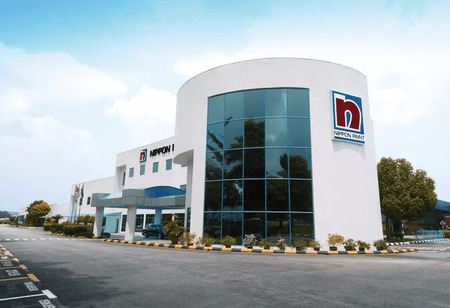
Nippon Paint has proposed to acquire AkzoNobel's decorative paints division for €7.5 billion ($8.55 billion), the company announced.
Nippon Paint had earlier aimed to purchase AkzoNobel's complete business along with US-based Sherwin-Williams for €12.5 billion, but the proposal was turned down in May, after which the two retracted their bid.
Also Read: LNG Reemerges as Strategic Fuel for Korea's AI, Chip Ambitions
The group listed in Tokyo submitted its initial proposal three weeks ago, with a subsequent offer that assessed the company at 7.5 billion euros ($8.6 billion) last week, according to reports.
Akzo Nobel’s management did not interact with Nippon regarding the proposal, which estimates the division at approximately 12 times its 2026 earnings before interest, taxes, depreciation, and amortization, nor has it informed shareholders about the offers.
The proposal for the company arrives merely a month after Nippon and Sherwin-Williams Co. concluded a joint attempt for the complete Dutch paint manufacturer, after facing rejections of two all-cash bids. Akzo Nobel stated that the combined offer would struggle to obtain regulatory consent and its current deal to merge with Axalta Coating Systems Ltd., revealed last November, was still the preferred option.
Also Read: E& Exits Vodafone with $5.95 Billion Stake Sale
If Nippon's latest proposal is successful, it would bring the Dulux brand together worldwide, while enhancing the company's presence in Europe, as the decorative paint division generates nearly two-thirds of its revenue from that region. Akzo Nobel revealed during an earnings call last year that it was considering selling portions of its decorative paints division in South East Asia. Nippon aims to acquire the whole unit and is not expected to propose a bid for just that division.
The agreement between Akzo Nobel and Axalta would result in a paint manufacturer with an enterprise value of approximately $25 billion.
The Dutch company would control 55 percent of the merged entity and shift its stock market listing from Amsterdam to New York. The agreement still needs permission from the Federal Trade Commission in the US, which has asked for additional details from both companies, as stated in a May filing.
In 2017, Nippon Paint disrupted merger discussions between Axalta and Akzo Nobel, and later was unsuccessful in its attempt to acquire Axalta. Akzo Nobel likewise rejected an unsolicited $29 billion acquisition proposal from competitor PPG Industries that same year.
Also Read: Singapore Rolls Out Measures to Integrate Foreign Professionals
Furthermore, Nippon Paint recently announced a significant expansion plan for its Indian operations, targeting an increase in revenue from the current EUR 313 million to EUR 672 million by 2029. The company intends to incorporate eight manufacturing plants into its current network of seven, increasing the total to 15 by decade's end. This bold initiative encompasses a scheduled investment of EUR 56 million over the upcoming 18 months, designated for brownfield and greenfield projects, especially in eastern India.
The Indian paint industry is fiercely competitive, led by prominent companies like Asian Paints and Berger Paints. The announcement from the Japanese paint manufacturer arrives as new players, such as major conglomerates, are expanding their footprint in the industry. Increased competition is compelling firms to invest significantly in marketing, dealership networks, and expanding capacity, which may strain profit margins.
The growth strategy prompts inquiries regarding profitability in the Indian paints sector, which is significantly affected by crude oil prices. Paint producers depend on raw materials obtained from crude oil, and higher oil prices can lead to increased production expenses. In a competitive landscape, businesses might find it hard to transfer these expenses to customers, endangering gross margins.
Moreover, as new production capabilities become available, there is a potential for oversaturation, which might result in price competition as firms vie for market dominance. This situation would additionally influence the pricing dynamics and profitability of the sector, making it an essential aspect for investors to observe.