


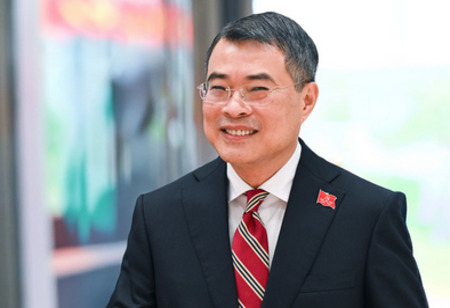
Ministries and agencies need to improve their ability to forecast, adopt more adaptable policy tools, and completely reconsider how they design and implement policies in a rapidly changing environment, stated PM Le Minh Hung.
Prime Minister Le Minh Hung has called for a significant change in the approach to governance, moving from administrative oversight to proactive service and facilitation. This change is aimed at encouraging production, investment, and business activities as the country strives to reach its double-digit growth goal.
Also Read: Indonesia Explores Meta Tie-up to Boost Creative Exports
The Prime Minister requested this during a meeting with the Ministry of Finance on April 29, which was held to evaluate the performance in the early months of 2026 and to set priorities and draft policy proposals for the upcoming months.
The conversations concentrated on examining the factors that contribute to growth as well as the obstacles that hinder it, enhancing the gathering and distribution of resources, and guaranteeing the achievement of the double-digit growth goal outlined in Conclusion 18-KL/TW of the Party Central Committee.
As a consultative entity in developing large-scale economic plans, the Ministry of Finance has adopted a more flexible policy strategy by suggesting changes in fuel taxes, addressing land-related problems and postponed projects, and aiding small businesses and business households. It has also played a role in enhancing the investment environment and encouraging new business ventures.
Significantly, in 2025, Viet Nam's stock market advanced from a frontier market to an emerging market category. Prime Minister Hung recognized the ministry's hard work, especially following its organizational restructuring.
However, he cautioned that the growing global instability is creating increasing challenges for managing macroeconomic policies and fiscal strategies. He stressed the Government's commitment to meeting all established goals, including attaining double-digit growth this year.
Also Read: Philip Morris Korea Names Lee Hong-suk as New Managing Director
At the heart of his directive is a call for a significant shift in perspective, moving away from simply "managing" to actively "serving and enabling." He emphasized that ministries and agencies need to improve their ability to predict future trends, utilize more adaptable policy tools, and fundamentally reassess the way policies are created and implemented in a fast-changing world.
Prime Minister Hung emphasized the necessity of gathering funds from both public and private sectors, as well as from within the country and abroad, to fulfill development requirements. The total needed funds are estimated to be 1.7–2 times greater than in the previous term, while the state budget only covers 20–22 percent of this amount.
Key areas of focus involve enhancing transparency and discipline within capital markets, speeding up the equitization of state-owned enterprises, refining tax administration to avert revenue losses while expanding the tax base, and promoting digital transformation in fiscal governance.
Also Read: Aceh and UAE Agree to Form Team to Boost Investment Ties
Various relevant agencies were given the responsibility of evaluating and setting growth targets concerning the national financial strategy, borrowing, and repayment of public debt, and medium-term public investment in several crucial sectors. These sectors include investment, growth within specific industries, digital transformation, and technological innovation.