


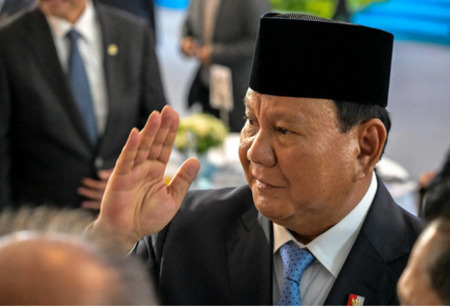
President Prabowo Subianto stated that Indonesia is implementing reductions in non-essential expenditures within various governmental ministries and organizations to eliminate opportunities for the misallocation of public funds, as a component of a wider initiative aimed at enhancing fiscal effectiveness.
“When we first carried out efficiency measures, we saved Rp308 trillion from the central government. Where did it come from? From expenditures that did not make sense. I believe that if this Rp308 trillion had not been cut, it would have led to corruption,” Prabowo says.
Also Read: UAE Pledges to Supply Crude Oil to Korea With Top Priority
The president noted that the Rp308 trillion in savings stemmed from a comprehensive examination of central government expenditures, with the goal of pinpointing inefficiencies and superfluous allocations.
He cautioned that neglecting to properly manage these funds would place a strain on state financial resources while failing to provide any concrete advantages to the general public.
Prabowo emphasized the elevated Incremental Capital Output Ratio (ICOR) of Indonesia, which stands at 6.5, a figure well surpassing that of nearby nations.
He indicated that the increased ICOR signifies inefficiencies of approximately 30 percent, equating to an estimated $75 billion from a state budget approaching Rp3,700 trillion.
Expenditure reductions are being focused on areas such as ceremonial functions, administrative materials, and external gatherings and workshops, items that the president noted frequently do not effectively tackle fundamental challenges such as alleviating poverty and fostering employment opportunities.
Also Read: UAE Gas Field Ablaze as Trump Pushes for Help on Hormuz
The government is currently reassessing standard procurement procedures, including the recurring acquisition of computers and office supplies that typically take place on an annual basis.
Prabowo emphasized the potential for significant savings through enhanced oversight of discretionary spending within government entities.
The government is exploring additional strategies to lower operational expenses, such as implementing shorter workweeks and expanding the use of remote work options.
Also Read: SK Group Chairman Says Wafer Shortage to Last Until 2030
“I see other countries reducing the workweek from five days to four, such as the Philippines and Pakistan. Then there is work from home. During COVID, we implemented it successfully. I think we can do that again. Perhaps 75 percent of employees could work from home,” he says.