


According to a report released prior to the 2026 Future Hospitality Summit – FHS World in Dubai, the GCC and North Africa has $90 billion in hotel and resort projects in progress, set to introduce nearly 200,000 rooms, increasing the current supply in the region by 27 percent.
Approximately 88,000 rooms are presently being built, with an additional 25,000 in the final planning phase. According to research by global hospitality consultancy HVS, more than 55 percent of new hotels in the region are expected to open between now and 2030.
Also Read: DMCC Establishes Foundations Regulations
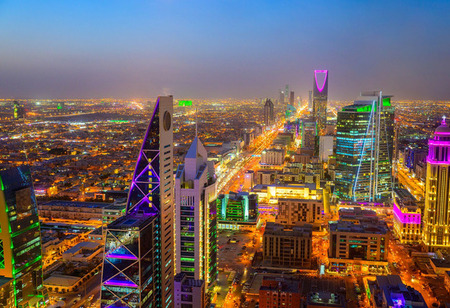
The report states that Saudi Arabia leads the Middle East's hotel growth, with 110,000 rooms – approximately 50 percent of the regional pipeline – currently being developed in Riyadh, Makkah, Madinah, Diriyah, NEOM, the Red Sea, and Amaala.
The extent of development is unmatched; however, equally noteworthy is the growing variety of offerings, ranging from substantial pilgrimage-oriented hotels to high-end resorts, branded residences, and upper midscale lodging, it mentioned. Egypt ranks as the second most active nation with 42,000 rooms in development, featuring projects in Cairo, the North Coast, the Red Sea, and new mixed-use areas
The organizers announced that FHS World 2026, a significant industry event, will take place in Dubai at Madinat Jumeirah from September 29 to October 1, with the theme ‘Reinvest in our Future.’
Hala Matar Choufany, President, Middle East, Africa and South Asia at HVS says, “The hotel development pipeline across the GCC and North Africa remains one of the most significant globally, reflecting continued investor confidence in the long-term fundamentals of the region's tourism and hospitality sectors”.
“The region’s investment in hotel expansion underscores not only the scale of development, but also the depth of capital that continues to back the region's tourism ambitions," he notes.
HVS analysis indicates that capital is now allocated with more discipline than in the past, increasingly prioritizing mixed-use projects, branded residences, and phased delivery approaches that enhance project economics and mitigate risk more efficiently. Funding models have progressed as well, featuring a wider variety of capital structures.
Also Read: Al-Futtaim, Juspay Partner to Unify Digital Payments Across Markets
The 200,000 additional rooms will be introduced in stages, entering the market gradually instead of simultaneously. Approximately 44 percent are presently under construction, with most of the remaining inventory anticipated to be delivered in phases through 2030 and later. Delivery will differ across markets, with certain ones functioning on extended timelines while others are more immediate, as per HVS.
In Saudi Arabia, prominent destination projects are being implemented in stages that will continue into the next decade, whereas the UAE's delivery schedule is more immediate, with a large share anticipated by 2028-2030. In Egypt, the progress cycle spans multiple years, especially in the North Coast, Cairo, and Red Sea regions. The luxury hotel market – including high-end and upper-upscale establishments – still constitutes the largest portion of hotel inventory, indicating robust investor interest in premium experiences, brand offerings, and all-inclusive resort locations.
Simultaneously, there is increasing activity in the upper midscale sector, especially in Saudi Arabia, where brands like Hampton by Hilton, Holiday Inn Express, Fairfield by Marriott, and ibis are growing to aid wider tourism goals and provide more affordable lodging choices. Choufany noted that the upcoming stage of the region’s hospitality sector will not be determined only by the quantity of hotels opened.
Also Read: UAE Participates in Roadmaps to New Nuclear 2026 Conference
"The outlook for the region remains positive, but, as capital becomes more selective and markets more competitive, future winners will be those destinations that combine ambitious development plans with strong execution, connectivity and service excellence. Ultimately, the focus is shifting from simply building hotels to creating sustainable, globally competitive hospitality ecosystems," he adds.
Ali Shahid, CEO of The Bench, organizers of FHS World says, “This data reflects the extraordinary scale of opportunity across the region, and the increasing sophistication of the region’s hospitality investment landscape”.
“At FHS World, investment and real estate will be at the core of the conference agenda, with industry leaders examining where global capital sees opportunity and how investors are recalibrating for returns”, he adds.