


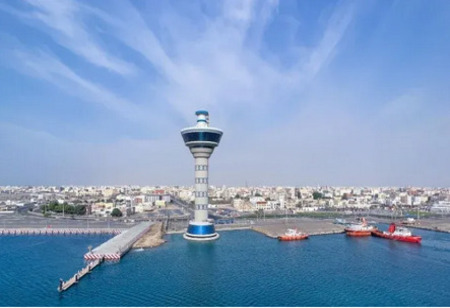
Saudi Arabia is offering its long-term oil customers the opportunity to receive their April allocations through the Red Sea port of Yanbu in anticipation of extended interruptions in the Strait of Hormuz.
Traders informed by Saudi Aramco have indicated that buyers opting for Yanbu will receive only a fraction of their monthly supply, as the pipeline to the port has limitations on crude carrying capacity.
Also Read: Lee Urges Calls for Close Monitoring of Gas Stations
Alternatively, buyers can choose to receive oil from the Persian Gulf, but this option comes with the potential risk of not receiving any supplies in the event of a closure of the Strait. These traders, who preferred to remain anonymous due to media restrictions, highlighted the potential challenges buyers may face in receiving their desired quantities of oil.
Aramco, the largest oil exporter globally, sent out 7.2 million barrels of crude oil in the previous month, with a significant portion originating from the Ras Tanura and Juaymah terminals in the Gulf. Prior to Iran's interference in blocking the Hormuz Strait, the majority of these shipments were successfully exported.
Saudi Arabia maintains a pipeline capable of transporting five million barrels of oil per day to the Red Sea, although the export capacity at Yanbu may not be as sizable.
The Saudi Arabian government commonly enters into long-term agreements to sell its oil, with a majority of these contracts being directed towards the Asian market.
In response to the reduced supply, Sinopec, China's largest oil refinery, is decreasing its production by 10 percent, and Japan has initiated the release of crude oil from its national reserves.
Also Read: Ministry Aims Strong Women's Political Education, Representation
The decisions being made indicate a sense of ambiguity regarding the duration of the conflict in West Asia and the potential timing of the reopening of Hormuz. The varying justifications provided by US President Donald Trump for the initiation of the war have caused confusion among both allies and adversaries about his intentions to conclude it.
Additionally, even if efforts are made to bring the conflict to an end, Iran has displayed limited willingness to cooperate. According to the traders, in the event that the war persists, oil loaded at Yanbu and destined for Asia is anticipated to be marketed on a delivered basis instead of the typical loading basis.
This would entail Aramco overseeing the transport logistics, as opposed to customers arranging the shipping themselves. The traders also noted that the only grade of oil currently available to refiners through Yanbu is Arab Light. Aramco has increased shipments through the Yanbu port since the start of the ongoing conflict, which is now in its third week.
Also Read: QBA Reaffirms to Strengthen Qatar's Economy and Market Stability
The Saudi producer has also opted to sell crude oil loaded from this port through spot market tenders, a departure from their usual operations. This marks the first instance of Aramco offering contracted supply from the Red Sea terminal.
Some European refiners outside of Asia have noted a decrease in the amount of crude oil they are receiving from Aramco according to their contracts. One prominent refiner did not receive any shipments for the upcoming month, while another was given a smaller allocation than originally requested.