


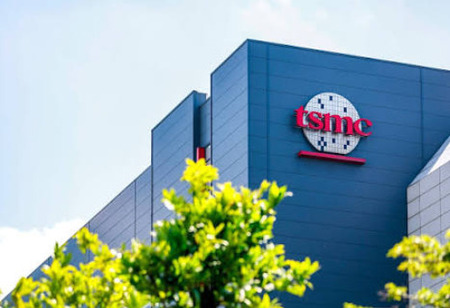
TSMC, the leading global manufacturer of cutting-edge AI chips and a key supplier for Nvidia, announced an additional $100 billion investment in Arizona and stated that it continues to experience strong AI-driven demand for chips.
Benefiting from the AI surge, TSMC increased its capital expenditure forecast by as much as 14 percent for the current year.
The positive forecast followed Taiwan Semiconductor Manufacturing Co, a key indicator for AI chip demand, reporting a 77 percent increase in second-quarter profits to a record T$706.6 billion ($22 billion), surpassing a market estimate of T$632.6 billion and achieving its ninth consecutive quarter of double-digit percentage growth.
Also Read: PM Urges Lao Cai to Turn Advantages into Development Drivers
Projected capital expenditure for 2026, an important measure of management's confidence in the sustainability of AI demand, is estimated to range from $60 billion to $64 billion, in contrast to earlier forecasts which indicated a high end of $52 billion to $56 billion, it noted. Revenue for the full year in US dollars is projected to rise by just over 40 percent in 2026, exceeding an earlier estimate of over 30 percent.
For the ongoing quarter, TSMC projected sales to be between $44.6 billion and $45.8 billion, an increase from $33.1 billion in the same period last year. Capitalizing on the growing need for sophisticated chips in AI applications, TSMC's additional $100 billion investment in Arizona will supplement its previously announced $165 billion investment for constructing chip manufacturing plants in the region.
TSMC's bold capital investments and increasing profit margins have positioned it as a measure of demand in the worldwide semiconductor market. Analysts indicated that the demand for TSMC's 3-nanometre and 2-nanometre process technologies for AI chips, along with its advanced chip packaging technology, CoWoS, continues to be robust.
Also Read: Indonesia Sees S&P Rating as Boost to Investor's Confidence
This has propelled Asia's highest-valued firm, which is also a vital Apple supplier, to unprecedented levels. Its market capitalization is now almost twice that of South Korean competitor Samsung Electronics at approximately $1.97 trillion.
Additionally, TSMC increased its spending and revenue forecasts for the year, indicating its assurance that strong demand for chips and data centers will continue through 2027. The semiconductor manufacturer now anticipates capital spending between US$60 billion (RM244 billion) and US$64 billion in 2026, an increase from the earlier estimate of US$52 billion to US$56 billion. It’s also estimating revenue growth of just over 40 percent in US dollar terms, markedly higher than the previous prediction of over 30 percent. Stocks of major supplier ASML Holding NV increased by over three percent in Europe.
Also Read: Hyundai Rotem's K2 Acquires NATO Quality Certification
TSMC confirmed on Thursday it is expected to increase its spending even more in the next three years. The rapid rate of growth signifies the belief that major technology companies like Meta Platforms Inc and Alphabet Inc will keep acquiring the chips and equipment necessary for constructing data centers. The four largest American artificial intelligence (AI) providers — referred to as hyperscalers — are projected to invest over US$725 billion in the current year.
That expansion has driven tech stocks to unprecedented heights this year, including TSMC — a leading indicator of the rapidly expanding sector due to its production of the majority of the world's most advanced chips.
Nonetheless, worries from investors remain as the largest data center operators keep borrowing and securing funds to finance their building projects. A large portion of their AI expenditures is now supported by increasing debt. Despite the rapid rise of AI adoption globally, businesses and investors continue to face challenges related to uncertainty about profitability and methods to achieve substantial returns from their significant investments.