


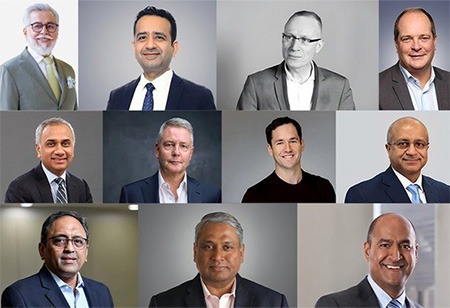
 An exploration into the top paid chief executives in APAC, focusing on issues of executive pay, equity compensation, performance-based pay and corporate executives receiving the largest disclosed packages in the regions.
Behind some of Asia-Pacific’s (APAC) biggest companies are CEOs whose compensation packages run into the millions of dollars.
APAC CEO compensation remains an indicator of the growing significance of performance-based pay, equity, and executive compensation plans over time. According to WTW, average salary growth in APAC is expected to reach 5.2% in 2026, while India’s salary growth forecast stands at 9%, significantly higher than Australia’s 3.5%.
However, the highest levels of CEO compensation do not come from annual salaries alone, but rather from bonuses, commissions, stock options, and vested equity. For example, the median total realized pay of ASX 100 CEOs in Australia reached $4.8 million in FY25, compared with $4.1 million in the previous financial year. The median professional CEO paycheck in India stood at $1.10 million in FY26, with around one-third of CEO pay coming from stock options.
Against this backdrop, here are 11 highest paid CEOs in APAC. While raking in millions, these business leaders are leading some of Asia’s most influential companies.
How the CEO Compensation figures are compared: The executives featured below represent 11 of the highest-paid CEOs and business leaders in APAC based on the latest publicly disclosed compensation data available for each individual. Figures may represent total remuneration or realised compensation, depending on the company's reporting methodology and financial year. As a result, the figures should not be interpreted as a strictly like-for-like ranking.
1. Sandeep Kalra — Persistent Systems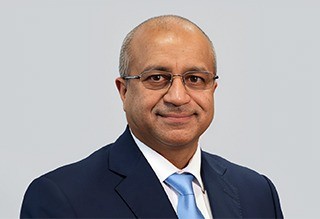
- FY26 pay $40.8 million
- Persistent Systems technology chief
- Equity drove total compensation
CEO of Persistent Systems, Sandeep Kalra, occupies the number one spot on the list of highest paid APAC CEOs, with a remuneration of $40.8 million for FY26. The number has increased 162% year-on-year, according to a compilation by Capitaline based on company annual reports, making Kalra the highest-paid executive in the country for the current fiscal year.
Sandeep’s remuneration shows the increasing importance of equities, incentive plans, and performance-based bonuses among high-level tech executives. Persistent is ramping up its enterprise AI and digital engineering business, while Kalra keeps focusing on growing at a faster pace and a bigger technology presence internationally.
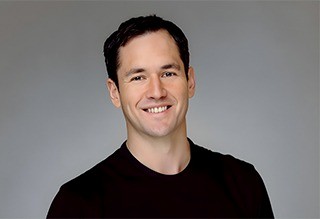 2. Chris Hulls — Life360
- FY25 pay $47.7 million
- Life360 technology entrepreneur
- Equity options boosted compensation
Chris Hulls, the co-founder and former CEO of Life360, had realized executive pay of $47.7 million in FY25, putting him among the highest paid executives associated with an APAC listed firm. According to ACSI, Chris Hulls was ranked number one for ASX listed CEOs, with options exercised being the main contributor towards the total pay realized.
Chris Hulls resigned from his role as CEO in August 2025 and is now the executive chairman while Lauren Antonoff is the current CEO.
Also Read: How CEOs at AMD, SoftBank, Samsung & Tencent Turned Crisis into Growth
3. Mick Farrell — ResMed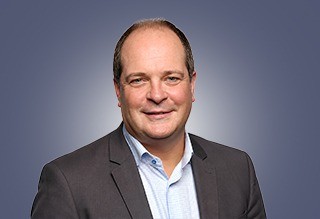
- FY25 pay $35.2 million
- ResMed healthcare technology chief
- Equity remains key component
The chairman of ResMed, Mick Farrell, had realised pay of around $35.2 million in FY25, making him one of the most highly compensated executives on the ASX. According to the 2026 review from ACSI, he is ranked second for his package, which includes salary, bonuses and realised equity.
ResMed has grown under the leadership of Mick Farrell into the realms of connected health and sleep technologies, both crucial to its future strategy. The level of his realised pay also demonstrates the significance of performance equity for determining executive pay at internationally operating APAC-listed firms in healthcare sectors.
 4. Robert Thomson — News Corporation
- FY25 pay $33.6 million
- News Corporation global chief
- Strong equity-linked executive rewards
Robert Thomson, News Corp’s CEO, got realized remuneration worth approximately $33.6 million for FY25, says the latest ASX200 CEO pay research done by ACSI. He was ranked third among CEOs listed in the ASX, owing to his company’s good performance from the shareholders’ perspective and equity-related pay package.
Robert Thomson is News Corp’s CEO, and he has been running its publishing, digital media, information services and content operations globally. His remuneration is an indication of how much remuneration can be earned by international CEOs when realized remuneration is considered.
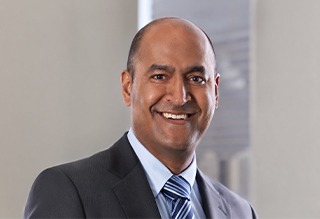
5. Vikesh Ramsunder — Sigma Healthcare
- FY25 pay $32.62 million
- Sigma Healthcare Australian chief
- Merger-linked equity boosted payout
Sigma Healthcare CEO Vikesh Ramsunder received $32.62 million in realised compensation in FY25, becoming the highest-paid domiciled Australian CEO according to ACSI's most recent report. $25.8 million of this was attributed to equity incentives due to the merger between Sigma Healthcare and Chemist Warehouse.
This amount had a lot to do with a significant business transaction and a 135.1% total shareholder return in FY25. Ramsunder’s case is an example of how mergers, equity incentives, and outstanding stock price can dramatically influence CEO pay in one year despite relatively low salaries.
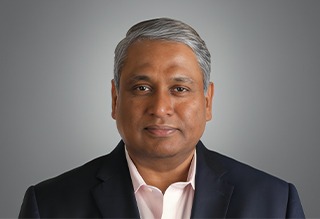 6. C Vijayakumar — HCLTech
- FY26 pay $18.05 million
- HCLTech technology leader
- Long-term incentives lifted earnings
C Vijayakumar, chief executive officer and managing director of HCLTech, earned $18.05 million in FY26 as per data from Capitaline and the company itself. This makes him one of APAC’s highest paid male technology CEOs and India’s second highest paid executive in the recent survey.
C Vijayakumar’s pay package consists of salary, incentives, and also long term equity related components. HCLTech continues to invest in areas such as AI, cloud, engineering, and digital transformation and thus Vijayakumar’s pay is an outcome of his executive duties along with increasing importance of performance-based pay packages in India’s technology industry.
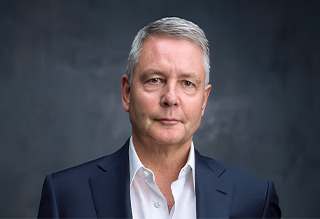 7. Greg Goodman — Goodman Group
- FY25 pay $14.41 million
- Goodman Group property chief
- Long-term incentives dominate compensation
Greg Goodman, CEO of Goodman Group, had a realised total pay of around $14.41 million in FY25, based on ACSI figures, ensuring that he remains one of the highest-paid male CEOs in Australia. Statutory remuneration in the Goodman Group annual report includes salary, superannuation, and long-term incentive payments.
Goodman Group is involved in logistics, data centers and digital infrastructure businesses, which have been positively impacted by structural demand for their facilities. Goodman Group is an example of how reported remuneration differs from realised remuneration, especially when long-term performance incentives have value because of the increased share price.
Also Read: Tech CEOs Join New AI Safety Board to Barricade Critical Services
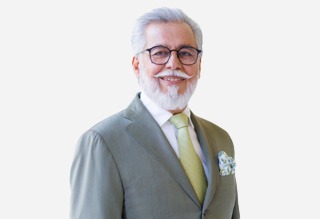 8. Pawan Munjal — Hero MotoCorp
- FY26 pay $12.84 million
- Hero MotoCorp automotive leader
- Performance-linked commissions boosted pay
Chairman and Managing Director of Hero MotoCorp, Pawan Munjal, got paid $12.84 million in FY26 and stayed ahead among the best-paid auto executives in India. Pawan Munjal's compensation increased in FY26 due to the growth in vehicle demand and improvement in the automobile sector in general.
The high-performance based pay structure of Pawan Munjal's compensation package highlights the impact that commission-based pay can have on increasing the pay of executives above their base salary. His role includes leadership in India's leading motorcycle company, with focus on premium motorcycles, export, electric mobility, and international expansion.
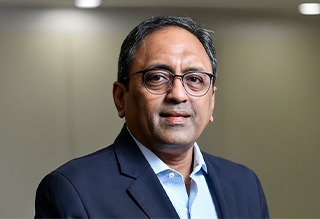 9. S N Subrahmanyan — Larsen & Toubro
- FY26 pay $12.69 million
- L&T engineering and infrastructure chief
- Commissions drove major increase
The $12.69 million remuneration package awarded to S N Subrahmanyan, chairman and managing director of Larsen & Toubro, marks a 59% rise from the previous year. The pay package made him part of the India’s elite group of ₹100 crore executive pay league, where commissions and stock-based benefits have played a significant role.
Subrahmanyan is a leader of a diversified engineering and construction company which has operations in construction, energy, technology, and manufacturing. The focus areas of L&T include green hydrogen, data centers, semiconductors, and industrial electronics.
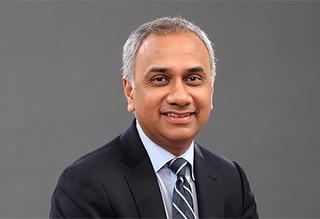 10. Salil Parekh — Infosys
- FY26 pay $8.67 million
- Infosys digital services leader
- Stock incentives drove payout
In FY26, Salil Parekh, who is the CEO and MD of Infosys, received $8.67 million, which is a 2.5% rise from FY25. From the available reports of the company, US$5.33 million was received through exercised stock options and restricted stock units, while the balance salary was fixed and variable.
Salil Parekh took charge of Infosys in 2018, where he has been leading the company's strategy on digital services, cloud, artificial intelligence and consultancy. The salary of Parekh was 742 times the average salary of the employees in the organization.
Also Read: 7 Strategic Corporate Partnerships Transforming Business in Asia
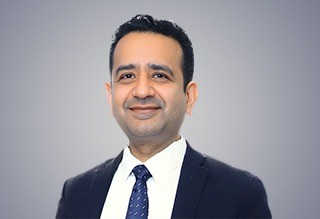 11. Mohit Joshi — Tech Mahindra
- FY26 pay $7.09 million
- Tech Mahindra AI strategy leader
- ESOPs significantly boosted compensation
Mohit Joshi, CEO and managing director of Tech Mahindra, was paid $7.09 million in FY26, marking an increase of 11.8% from the previous year. The compensation of the individual included around $1.78 million as salary, $3.85 million as ESOP gains, and $1.45 million as performance-based bonus.
Mohit Joshi has been heading the transformational journey of Tech Mahindra, along with its growth strategy based on artificial intelligence technology. The firm is aiming for a better positioning in terms of digital engineering and enterprise technology. The compensation of Joshi is almost 1,085 times that of median employees’ compensation.
APAC CEO Compensations Tied to Performance & Ownership
The most recent statistics on CEO compensation in APAC reveal that, today, the largest compensation for CEOs in the region is more often than not linked to equity, performance-based bonuses, commission and other forms of long-term rewards, rather than salary only. India’s leaders from the technology and infrastructure industries dominate the list, while Australian listed companies on the ASX illustrate the power of realised equity to deliver huge yearly sums.
This list reveals trends regarding CEO compensation, executive remuneration and leadership pay in general. Today, amid AI, digital transformation, infrastructures, health care and data center investments which transform the business environment in APAC, it becomes more and more common to link executives’ bonuses with their performance.