


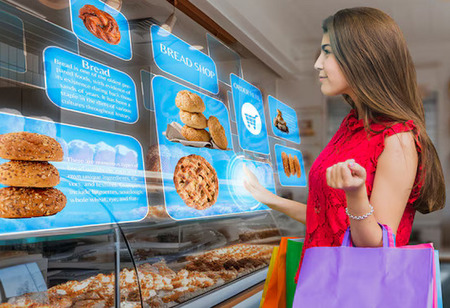
Modern consumers are increasingly influenced by technology, convenience, personalization, and sustainability. From omnichannel shopping and social commerce to AI-driven experiences and ethical purchasing decisions, businesses must adapt to evolving expectations. The article explores how trust, seamless customer experiences, and digital innovation are reshaping consumer behavior and driving long-term brand loyalty in today's competitive marketplace.
Modern digital technologies drive rapid shifts in consumer behavior that affect their methods of discovering products and services, easing their selection, and impacting their purchasing activities. Companies need to adapt their operations to align with contemporary consumer demands due to artificial intelligence (AI), social media, and e-commerce.
According to a study by McKinsey, during the pandemic, consumers demonstrated a heightened interest in exploring beyond their favorite products, with up to 75 percent of consumers trying new categories and 40 percent switching to new brands. Consumer behavior can change. Businesses must recognize the key influencing factors and trends regarding consumer behavior.
From Brick-and-Mortar to Omnichannel Experiences
Only a decade ago, the majority of purchases occurred at brick-and-mortar shops. Nonetheless, with the growth of e-commerce and mobile technology, today's shoppers anticipate being able to engage with brands through various channels: brick-and-mortar stores, websites, social media platforms, mobile apps, and even online marketplaces.
Omnichannel has transformed from an option into a vital necessity. Customers anticipate a smooth experience, whether they shop online or in a brick-and-mortar store. Indeed, recent research shows that over 70 percent of consumers look online prior to going to a brick-and-mortar store, highlighting the need to unify all sales channels.
Social Media as the New Marketplace
Social media platforms evolved from social interaction sites into powerful e-commerce distribution hubs. Consumers now utilize Facebook, Instagram, and TikTok for social engagement while simultaneously making their purchases directly from these platforms.
Also Read: Finnovex Saudi Arabia 2025: Empowering The Fintech Ecosystem: From Disruption To Collaboration
Activities in social commerce rely on influencers, content created by users, and engaging advertising features. The backing of influencers along with suggestions from peers receives greater acceptance from consumers compared to traditional advertising methods. Elements of social proof, like unboxing videos and customer feedback, significantly influence consumers' purchasing decisions.
Unique shopping functionalities in social media applications allow users to buy products directly within the platform without having to exit.
The updated method enables customers to purchase items effortlessly, simplifying their shopping journey while satisfying their desire for fast and straightforward transactions.
The Mobile-First Shopping Revolution
The implementation of 5G technology transformed mobile shopping by enabling quick information transfer, enhanced streaming options, and superior network connectivity. Customers gain from 5G by visiting websites, streaming high-definition product videos, and engaging in uninterrupted real-time shopping.
Mobile commerce (m-commerce) has become the primary catalyst for advancing digital business activities. Organizations enhance mobile-first experiences on websites and mobile apps to develop sites and applications that load swiftly while providing straightforward navigation. Elements such as automatic buying features, digital payment systems, and AI-driven search functionalities enhance the mobile shopping experience.
5G technology allows for the adoption of immersive technologies, encompassing augmented reality (AR) and virtual reality (VR). The retail brands IKEA and Sephora offer AR-integrated apps that enable customers to visualize how items will look in their home setting or how cosmetic products will appear on their skin prior to making purchase choices. This interactive strategy boosts consumer trust and decreases return rates.
Sustainability Shapes Consumer Choices
The contemporary consumer population prioritizes sustainable methods and responsible business conduct. Consumers expect eco-friendly products and transparent supply chains with ethical sourcing, as they become increasingly aware of climate change impacts.
A focus on sustainability gives brands a competitive edge in the marketplace. The approaches of sustainable business alignment have enabled Patagonia and Tesla to cultivate loyal customer bases through value-driven consumer alignment. When companies uphold transparency by providing details on their carbon emissions and workplace practices, consumers make their buying choices based on this information.
An increasing number of consumers embrace the circular economy model as it facilitates product recycling, reuse, and repurposing. Through their denim recycling initiative, Levi’s shows environmentally conscious customers that they will reclaim their items. Digital platforms like ThredUp and Depop are flourishing as they encourage second-hand shopping alternatives.
Convenience Becomes a Market Differentiator
The quick delivery services, combined with on-demand options, have conditioned customers to seek instant gratification. Due to the digital age, people anticipate that everything will be fast and easy with little inconvenience while still being effective.
The market leader Amazon sets standards with their fast delivery choices that deliver products to customers in one day or even the same day. The need for quick delivery compels retailers to adopt micro-warehouses and utilize drone delivery systems within their local networks. Subscription-based business models cater to customers seeking convenience, providing entertainment through Netflix and meals via HelloFresh. The automated delivery service and personalized products allow consumers to save time and gain streamlined decision-making assistance.
Also Read: Beyond Transactions: Human-Centered CX in Digital-First Banking
The shift in consumer spending habits is driven by the growing availability of buy now pay later (BNPL) services, such as Klarna and Afterpay. The payment plan enables customers to instantly purchase items with prolonged payment options, thereby making costly products more accessible to a wider audience.
Building Consumer Trust in the Digital Age
The importance of trust and digital experience extends beyond everyday purchases and is equally critical in premium categories such as jewellery. As consumers increasingly begin their buying journey online, brands must recreate the confidence traditionally associated with in-store experiences.
Reflecting on this shift, Bindu Sharma, Founder & Creative Director, Mavitrra, notes: “In jewellery, trust has always been the real product. A customer buying a piece for a wedding, an anniversary, or simply for herself is making an emotional decision, not just a commercial one. Businesses that understand this and translate it into their digital experience are the ones building loyalty that lasts.
At Mavitrra, personalisation means helping customers find designs that reflect their individual story, not just trending styles. Transparency around craftsmanship, metal purity, and sourcing builds the confidence that fine jewellery purchases demand. When a brand shows its work honestly, customers feel respected.
Today, the digital browsing experience is often where a love for a piece begins. A thoughtful, immersive online journey that showcases design details, craftsmanship, heritage, and ethical sourcing helps convert interest into lasting connection. For brands like Mavitrra, which are present only on trusted and reliable platforms, the digital experience also plays a crucial role in building credibility, ensuring authenticity, and fostering consumer confidence in every purchase”.
 The trust of consumers now partially relies on their requirements for privacy and their wish for data protection. As individuals have become more conscious of data breaches and targeted advertising, they anticipate that companies will manage their personal information with care. Companies that prioritize customer data privacy with clear policies cultivate deeper relationships with their clientele.
The growing emphasis on trust, transparency, and personalized experiences is particularly evident in sectors such as healthcare, where customer relationships are built on long-term engagement rather than one-time transactions. According to Saloni Paliwal, Co-founder of Voy India: Healthcare is one of the few spaces where trust, convenience, and affordability must all work together for a customer to truly commit. Miss any one of them and the relationship breaks, often permanently. As digital health platforms multiply and patient expectations rise sharply, the brands that will build lasting loyalty are those that treat every interaction as a clinical and emotional touchpoint, not just a transaction.
At Voy India, personalisation means more than remembering a member's name. It means building health journeys that reflect individual goals, medical history, and lifestyle realities. Transparent clinical guidance, honest conversations about timelines, and a genuine focus on long-term outcomes over quick fixes have shaped how deeply our members trust us. For example, a study by Imperial College London found that Voy users saw 53% more weight loss than those on medication alone due to higher adherence, strong SOS support and a focus on all-round holistic GLP-1 care.
Sustainability and ethical accountability matter here too. Patients today ask harder questions about how their data is used, how care decisions are made, and whether a platform truly has their health interests at heart. Brands that answer those questions honestly will not just retain customers. They will earn advocates”.
AI and Automation Redefine Commerce
Experience in business operations is enhanced by streamlining and improving customer interactions through the integration of Artificial Intelligence and machine learning technology with robotic process automation (RPA). Organizations utilize automated systems to improve operational efficiency while reducing costs and accelerating delivery times.
AI-driven chatbots offer ongoing assistance to clients by instantly answering their inquiries. Automated order processing and intelligent logistics systems enhance business operations, enabling faster product delivery. Clients receive quicker services with reduced wait periods and benefit from seamless transaction processing.
The increasing prevalence of voice commerce through Amazon Alexa and Google Assistant has transformed how shoppers engage in their purchasing behavior. Consumers involved in multitasking utilize voice-activated searches and shopping commands to simplify the purchasing process, eliminating the need for manual interaction.
Why Customer Experience Matters More Than Ever
At the heart of great customer service lies the recognition and fulfillment of your customers' needs. This involves surpassing the fundamentals of being supportive; it requires optimism, compassion, and an openness to listen and participate. Customers seek more than just solutions; they desire to feel appreciated and comprehended. When a customer contacts us, whether it’s for a question or a complaint, they anticipate a friendly reply that recognizes their emotions and tackles their particular issues.
Customers have certain expectations regarding the support they desire, and as a business owner, it can be disheartening when customers are dissatisfied with your product or service. While customer service addresses inquiries, grievances, and various issues that may occur, customer expectations are continuously changing.
Customer service is crucial in handling these expectations and fulfilling customer needs in the following manners:
Individual engagements — When customers feel recognized and appreciated, they are more inclined to return and promote your brand to their relatives and friends. Utilizing customer data allows you to build profiles of your clients based on their preferences, enabling you to provide personalized customer service.
Also Read: Mohammad Almussaed: Pioneering Quality & Innovation in the Food Industry
Fast problem-solving — Your capacity to address an issue promptly can turn an unhappy customer into a loyal supporter of the brand. You can establish systems that monitor and rank customer concerns to identify any issues during the checkout process and other essential stages promptly.
A culture focused on customers — Outstanding customer service begins with a culture centered around customers. When your business aligns to fulfill customer expectations, it shows in every interaction. You can enhance your customer service to foster a culture of attentiveness and ongoing education for a consistent customer experience each time.
The Cost of Poor Customer Service
On the other hand, poor customer service can manifest in various ways. It's not just about being unkind or unhelpful; it can also appear as being supportive yet not having a cheerful attitude or offering information while showing disregard. Customers often voice annoyance regarding sluggish response times, generic communication, and having to reiterate their problems to several agents before finding a solution.
Currently, customers have greater opportunities than ever to express their opinions and share their experiences. Using social media as a loudspeaker, one negative encounter can provoke broad dissatisfaction and harm a brand’s image.
What Lies Ahead for Consumer Engagement
Consumer behavior has drastically transformed due to technological advancements altering societal values, leading to new consumer expectations in the digital age. The modern consumer market includes five essential components: AI-enhanced personalization, social shopping, mobile purchasing, sustainability, and immediate satisfaction. Contemporary companies need to embrace digital advancements along with enhanced customer experiences while building trust to thrive in the rapidly evolving market landscape.
Incorporating technological progress and shifting consumer needs will lead to successful business development. Organizations that comprehend and anticipate industry trends in the digital economy will attain the greatest lasting success.