


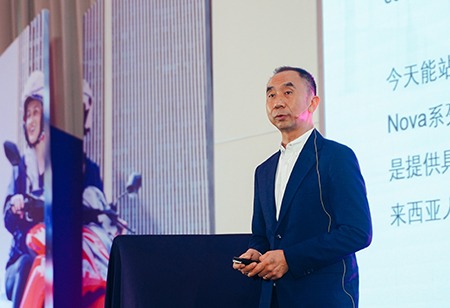
 Leadership is often shaped not in moments of certainty, but in the complexity of building, rebuilding, and guiding organizations through change.
For executives who have moved across start-ups, hyper-growth businesses, and major turnarounds, the journey demands more than delivering results; it requires the ability to evolve, challenge personal assumptions, and create organizations that can succeed beyond individual leadership.
With a career spanning diverse industries and leadership environments, Steven Lim has built his experience around business transformation, organizational growth, and navigating uncertainty. His journey reflects a gradual shift from personally driving execution to creating empowered teams, shaping organizational thinking, and developing future leaders. Along the way, he has learned to balance conviction with humility, resilience with perspective, and short-term performance with long-term value.
In an engaging interaction with CEO Insights Asia Magazine, Steven reflects on the experiences that shaped his leadership philosophy, the reinventions that defined his growth, and the lessons that continue to influence how he leads. He also shares his perspectives on leadership maturity, sustainable success, and building a lasting impact through people and organizations.
Read the following interview for deeper insights.
Q1. Your career spans start-ups, hyper-growth businesses, and major turnarounds; when you look back, what experiences most fundamentally shaped the leader you are today?
A. The experiences that shaped me most were not the successes but the periods when I had to build, rebuild, and turn businesses around under pressure. Early in my career, I learned that growth alone does not guarantee sustainability.
During my leadership roles across Hilti, Akzo Nobel, Weber Stephen, and now Aveta Group, I faced different challenges ranging from market expansion to organizational restructuring and business transformation. These experiences taught me that leadership is ultimately about making difficult decisions, creating clarity during uncertainty, and earning trust through consistent actions.
They also reinforced the importance of resilience, humility, and execution discipline. Every turnaround strengthened my belief that people, culture, and strategy must move together for sustainable success.
Q2. Early success often reinforces certain leadership habits; which beliefs served you initially but later required significant reinvention as your responsibilities expanded?
A. Earlier in my career, I believed that the best leaders were those with the answers and the ability to drive execution through personal involvement. That mindset helped me deliver results in sales and operational roles. However, as my responsibilities expanded across larger organizations and multiple markets, I realized that sustainable growth cannot depend on one individual. I had to shift from being the person solving problems to building teams capable of solving problems independently. This required me to become a better listener, delegate more effectively, and focus on developing future leaders. The transition was not easy, but it fundamentally changed how I lead and significantly improved the long-term performance of the organizations I managed.
Also Read: Driving Uem Edgentas Technological Transformation For Sustainable Growth & Positive Impact
Q3. As your influence grew beyond individual functions, how did your understanding of leadership evolve from directing performance to shaping organizational thinking?
A. My understanding of leadership evolved when I realized that performance is often the outcome of how people think rather than what they are told to do. Early in my career, leadership was largely about setting targets, monitoring execution, and driving accountability. Over time, especially in transformation environments, I learned that leaders must shape beliefs, behaviors, and organizational culture. When people understand the purpose behind a strategy and genuinely believe in it, they make better decisions without constant supervision.
Today, I spend more time communicating vision, aligning priorities, and creating a culture of ownership. The goal is not simply to manage performance but to build an organization capable of sustaining success beyond any individual leader.
Q4. Throughout your journey, what has been the most difficult balance to maintain between personal conviction and adapting to perspectives different from your own?
A. One of the most challenging aspects of leadership is knowing when to stand firm and when to adapt. Strong conviction is important, especially during transformation, because difficult decisions often face resistance. At the same time, leaders must remain open to perspectives that challenge their assumptions.
Throughout my career, I have learned that confidence should never become arrogance. Some of my best decisions emerged from listening to people with different experiences and viewpoints. The balance lies in being decisive without becoming rigid. I remain guided by principles and long-term objectives, but I also recognize that there are often multiple paths to the same destination. Leadership requires both conviction and humility.
Q5. Many leaders become known for delivering results; at what point did you begin focusing equally on building leadership capability in others?
A. The turning point came when I realized that an organization's success should not be measured by the capability of its leader but by the capability of its people. Earlier in my career, I was heavily focused on delivering business results and solving immediate challenges. While that approach produced outcomes, it also created dependence. As I moved into larger leadership roles, I understood that long-term success requires developing leaders who can think independently and drive results without constant direction.
Today, I derive as much satisfaction from seeing others grow into leadership positions as I do from achieving financial targets. Building future leaders creates a lasting impact that extends far beyond individual achievements.
Also Read: Leadership Happens Through Conversation
Q6. Looking across different phases of your career, how has your definition of success changed as you've gained experience, responsibility, and perspective?
A. At the beginning of my career, success was closely linked to personal achievement, career progression, and financial results. As my responsibilities grew, I began to see success in a broader context. It became less about individual accomplishments and more about building sustainable organizations, developing people, and creating long-term value for stakeholders.
Today, I view success as leaving an organization stronger than I found it. Financial performance remains important because it reflects business health, but equally important are culture, leadership capability, customer trust, and organizational resilience. The true measure of success is whether the business continues to thrive and grow even after the leader has moved on.
Q7. You have repeatedly led organizations through transformation; what have those experiences taught you about the relationship between resilience and leadership maturity?
A. Transformation is rarely a straight path. There are always setbacks, unexpected obstacles, and moments when progress feels slower than expected. Through these experiences, I have learned that resilience is one of the most important qualities a leader can possess. However, leadership maturity goes beyond simply enduring difficulties. It involves maintaining perspective, remaining calm under pressure, and helping others stay focused during uncertainty.
Mature leaders understand that challenges are part of the process rather than signs of failure. They respond thoughtfully rather than emotionally. In my experience, resilience builds confidence, while maturity provides the wisdom to navigate complexity. Together, they enable leaders to sustain momentum through even the most difficult transformations.
Q8. If you could revisit a pivotal stage of your leadership journey, what advice would your current self-give to the ambitious executive you were then?
A. I would tell my younger self to be more patient and trust the process. Early in my career, I often believed that speed was the answer to every challenge. While urgency is important, sustainable success requires balancing speed with long-term thinking. I would also remind myself that leadership is not about proving capability but about enabling others to succeed.
Some lessons can only be learned through experience, but I would encourage that younger executive to invest more time in developing people, building relationships, and understanding organizational culture. Results matter, but the ability to inspire, influence, and build future leaders ultimately creates far greater and more lasting impact.
LAST WORD: Based on your leadership journey and experiences, what is one piece of advice you would give to aspiring leaders who want to build a meaningful and lasting career?
My advice is simple: focus on creating value before seeking recognition. Careers are built on trust, credibility, and the consistent ability to solve meaningful problems. Many people become overly focused on titles and short-term achievements, but sustainable leadership is earned through performance, integrity, and continuous learning. Be willing to take on difficult assignments because those experiences often provide the greatest growth. At the same time, never stop developing people around you. Leadership is not about personal success; it is about helping others succeed while creating lasting value for the organization. If you can do that consistently, opportunities and recognition will naturally follow.