


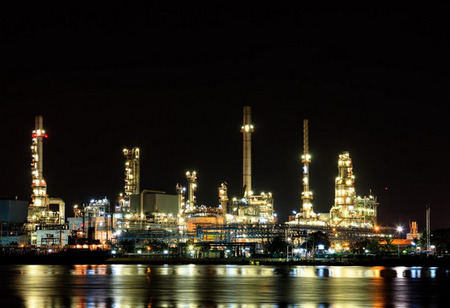
Iran has ceased all petrochemical exports to prioritize domestic supply and prevent shortages of raw materials in response to disruptions in production following Israeli attacks on multiple petrochemical facilities.
On April 13, a directive was issued by a high-ranking official from the National Petrochemical Company who oversees downstream industries. This directive instructed companies to halt exports until further notice.
Also Read: PETRONAS to Supply Excess Fuel to Australia
The ban on exports is intended to stabilize the domestic market and ensure the availability of supplies to local industries that have been affected by recent attacks.
Despite the global increase in prices, domestic prices for petrochemical and related products have remained consistent with pre-conflict levels. Officials have expressed that these measures will continue to be enforced to support both the industry and consumers.
Israel recently launched targeted attacks on major petrochemical centers in Asaluyeh and Mahshahr, resulting in damage to utility companies that provide feedstock to industrial plants and causing significant disruptions to production. This week, the US military has initiated measures to limit the flow of shipping in and out of Iranian ports. The goal of this action is to diminish Iran's export earnings while negotiations for a possible second round of peace talks between Iranian and American diplomats are underway.
According to reports, Iran annually exports approximately 29 million tons of petrochemical products, which are valued at around $13 billion.
Industries heavily reliant on petrochemical inputs are experiencing significant operational difficulties as a result of Iran's suspension of exports.
Plastic manufacturing facilities rely on a steady supply of ethylene and propylene, while producers of automotive components depend on polyethylene and specialized chemical intermediates for production of parts. The pharmaceutical packaging industry heavily depends on materials derived from petrochemicals to produce sterile containers, which can pose challenges in maintaining supply for the healthcare sector.
Also Read: HD Hyundai Electric Builds Korea’s Largest Green Transformer
Likewise, manufacturers of construction materials rely on polymer-based products from petrochemical feedstocks for a variety of building purposes.
The effect of tariffs on markets illustrates how disruptions in trade can have a domino effect on global financial systems.
The reaction of the capital market to Iran's decision to halt petrochemical exports indicates a larger concern regarding the global petrochemical supply chain's ability to withstand disruptions and maintain stable prices. Iran's significant annual petrochemical export value of $13 billion has led to considerable market shifts, necessitating the activation of alternative production capacity or a decrease in demand in various consuming sectors.
Also Read: Japan PM Sanae Takaichi pledges $10B to tackle Asia Oil Shortage
Regional financial markets are displaying immediate signs of strain that go beyond the impacts specific to the petrochemical industry. The Gulf Cooperation Council (GCC) sukuk issuance markets have encountered a slowdown in the issuance of dollar-denominated environmental, social, and governance (ESG) instruments, attributed to concerns regarding geopolitical risks. This indicates that investor interest in exposure to the region has waned during the current crisis period.