


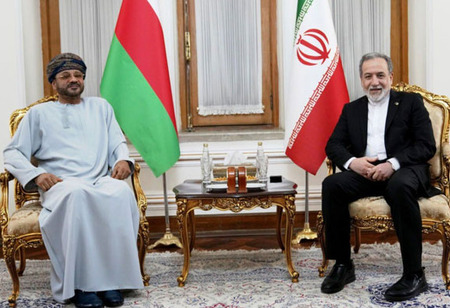
Iran and Oman have decided to establish a temporary maritime route through the Strait of Hormuz and initiate actions to remove mines from the vital waterway, as part of a recent diplomatic effort to resume vessel movement through the Strait.
The proposal arose as China dismissed increasing US pressure on nations with economic relations with Iran, cautioning that Washington's threatened sanctions would heighten tensions further.
Officials from Iran and Oman stated that they had talked about a step-by-step plan for creating a temporary shipping route and removing mines from the strait, while also ongoing discussions on a lasting solution for regulating traffic in the waterway. The accord came after discussions in Tehran involving Omani Foreign Minister Badr bin Hamad Al Busaidi and Iranian Foreign Minister Abbas Araghchi.
Also Read: Renault Korea Aims for Consistent After-Sales Service Nationwide
Araghchi stated that the proposal showed Iran's “dedication to peace and stability is complemented by unwavering diplomacy with our neighbors.” For weeks, the two nations have been in talks regarding arrangements to ensure stable shipping through the Strait of Hormuz, which previously handled about one-fifth of the world's oil and liquefied natural gas shipments prior to the conflict hindering traffic.
The suggested corridor may offer a diplomatic route for reestablishing maritime traffic while sidestepping an immediate clash regarding the longer-term issue of who governs and manages transit through the strait. The conversations between Iran and Oman have gained significance as the waterway has become a central topic in attempts to rejuvenate stalled talks between Tehran and Washington.
Qatar has additionally supported the initiatives between Iran and Oman. Qatari Prime Minister Sheikh Mohammed bin Abdulrahman bin Jassim Al-Thani spoke by phone with Araghchi regarding the suggested temporary corridor, as stated by Qatar’s foreign ministry.
Qatar has earlier backed initiatives by Tehran and Muscat to establish a deal concerning the strait, despite Trump's caution that Oman might encounter US military action if it disrupted American activities in the waterway.
China dismisses pressure from US sanctions. The diplomatic efforts occurred as China dismissed Washington's increasing sanctions initiative targeting Iran. Beijing cautioned that US threats of economic sanctions on Iran “will only escalate tensions” and asserted that cooperation between China and Iran must not be interrupted.
Also Read: Bahrain's Fixed Fiber Drives Telecom Data Consumption Growth
The remark came after US Treasury Secretary Scott Bessent cautioned that an "economic D-Day" was imminent for nations that persist in purchasing Iranian oil. The Treasury Department has initiated a fresh campaign to enhance economic pressure on Tehran, implementing measures that focus on areas like aviation, shipping, technology, gold, and digital assets including cryptocurrencies.
The diplomatic effort arises even amid fresh warnings from US President Donald Trump regarding the strait's security.
Even though the sanctions are officially aimed at Iran and organizations aiding its economy, their effects are expected to reach businesses and individuals engaged in commerce with the nation. Washington has also warned of potential secondary sanctions against nations that maintain substantial economic ties with Iran, though it has yet to impose the harshest penalties on key trading allies.
Also Read: Nexen Tire Boosts Shift to Renewable Energy at Korean Plants
The resistance from China may become notably important due to its position as a key purchaser of Iranian oil and its wider economic ties with Tehran. Iran has stated that it is ready to endure the new sanctions.