


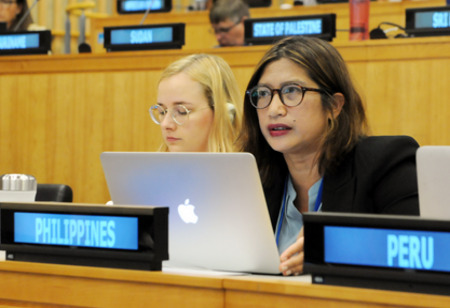
According to Maria Angela A. Ponce, the Philippines and Malaysia have the opportunity to cooperate on ensuring energy stability and security, while also advancing a more robust and prepared regional energy infrastructure.
This collaboration can be facilitated through the frameworks established by the Association of Southeast Asian Nations (ASEAN). She emphasized that energy security is an issue that goes beyond individual countries or specific partnerships, but instead represents a common goal at both the regional and global levels.
Also Read: PM Pham Minh Chinh Meets With Chairman of Russian State
Ponce asserts that the enhancement of regional energy stability between the Philippines and Malaysia depends on three primary factors: diversification of supply, connectivity of infrastructure, and increased coordination of public policies. She mentioned that both nations have the potential to investigate various opportunities for expanding their sources of energy and strengthening the durability of their supply.
The ambassador pointed out that Malaysia, being a significant exporter of liquefied natural gas (LNG) and refined petroleum products, is in a favorable position to support the energy needs of the Philippines. Ponce suggested that the two nations enhance their cooperation in the realms of clean and sustainable energy, such as by encouraging investments in solar, wind, and cutting-edge technologies, while also exchanging knowledge on strategies for transitioning to alternative energy sources.
Both the Philippines and Malaysia have the opportunity to enhance the presence of renewable energy sources in their energy portfolios, which would effectively mitigate risks associated with external factors and establish a more reliable and environmentally friendly energy trajectory.
She further noted that there have been significant disturbances in supply chains resulting from the continually fluctuating situation in West Asia. President Ferdinand Marcos Jr of the Philippines announced a declaration of a state of national energy emergency, citing the ongoing conflict in West Asia and the perceived imminent threat to the nation's energy resources.
Also Read: Philippine President: Grounding Planes a 'Distinct Possibility'
The declaration, valid for a duration of one year, grants authorization to the government for the procurement of necessary fuel and petroleum products in order to guarantee a timely and adequate supply. Additionally, it allows for the option of making advance payments for a portion of the contract amount if deemed necessary. Expanding on the topic, the ambassador emphasized that the declaration aims to secure a consistent supply of energy within the country, the seamless provision of crucial services, the uninterrupted flow of economic operations, the well-being of the citizens of the Philippines, and to lessen the repercussions of the events in West Asia.
The framework is responsible for overseeing and guaranteeing the uninterrupted and organized flow, provision, manufacture, and accessibility of critical commodities such as fuel, food, medication, and agricultural items. She indicated that it guarantees the ongoing functioning of public transportation, utilities, healthcare facilities, and other public services, along with a comprehensive government strategy for protecting economic stability. The Department of Social Welfare and Development in the Philippines is accelerating the disbursement of social welfare and livelihood support to the sectors most heavily impacted, including transportation workers, individuals in the agricultural industry, and repatriated Overseas Filipino workers.
Also Read: Vietnamese PM Meets Chairwoman of Federation Council of Russia
Secretary of Foreign Affairs Maria Theresa P. Lazaro has directed all Foreign Service posts to collaborate with host countries regarding the Philippines' petroleum reserves and the potential procurement of petroleum supply, as stated by her. The Philippines, currently serving as the chair of Asean, made history by being the first nation to officially declare an energy emergency in response to a coordinated large-scale military operation by the United States and Israel against Iran, commencing on February 28th.
The Philippines declared a transition to virtual formats for the preparatory meetings related to its 2026 ASEAN Chairmanship. This decision was influenced by unfolding events in West Asia and their consequential effects on regional priorities, with a particular focus on energy security.