


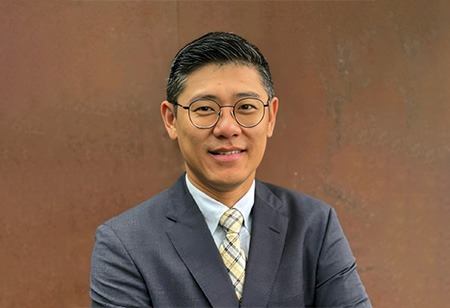
 Sustainable agriculture, farmer empowerment, innovation, and strong leadership are shaping Indonesia’s resilient and food-secure future.
With over two decades of experience across finance, strategy, compliance, innovation, and business transformation in Asia Pacific, Eryanto brings a diverse leadership perspective to the agricultural sector. As President Director of Syngenta Indonesia, he leads strategic growth, partnerships, digital transformation, and farmer-focused initiatives aligned with the Petani MAJU vision.
In an engaging interaction with CEO Insights Asia Magazine, Eryanto shared his perspectives on building sustainable growth while strengthening agricultural resilience and food security across Indonesia. He discussed how farmer empowerment, innovation, technology, collaboration, and data-driven decisions can create meaningful value for farming communities while supporting environmental sustainability.
Read the complete article for deeper insights into Eryanto’s leadership philosophy and vision for the future of sustainable agriculture.
Q1. Having led farmer-focused transformation initiatives across Indonesia, how are you personally redefining sustainable growth while strengthening long-term agricultural resilience and food security?
A. Sustainable growth, to me, means creating progress that benefits farmers, communities, and future generations simultaneously. Across Indonesia, I have seen that resilience begins with empowering farmers through access to innovation, knowledge, digital tools, and climate-smart practices.
Long-term food security can only be achieved when productivity is balanced with soil health, biodiversity, and economic sustainability. Guided by the Petani MAJU vision, my focus is on maximizing farmer profitability so they can adopt our accelerated innovation, building partnerships that help farmers adapt to climate challenges and reducing environmental impact through joint effort in sustainability.
I also emphasize execution through a united one team mindset so farmers experience integrated solutions consistently in the field. By combining technology, collaboration, and farmer education, we can create a resilient ecosystem that feeds the population today while safeguarding agriculture for generations to come.
Q2. Coming from a strong finance background, how have data-driven decisions helped you balance profitability, sustainability, and meaningful impact for farming communities over time?
A. Coming from a finance background, I learned that strong decisions must create value beyond short-term profitability. Data-driven insights have helped me balance business growth with sustainability by identifying solutions that improve productivity, optimize resources, and reduce long-term risks for farmers. Through financial analysist, market understanding, and field data, we can invest in programs that deliver measurable impact – higher yields lower impact and better farmer income.
I believe profitability and sustainability should strengthen each other. By using data to guide strategy, prioritize innovation, and measurable outcomes, we can support farming communities in a way that is economically viable, environmentally responsible, and sustainable for the future of Indonesia’s agriculture and food security.
Read More: Redefining the Future of Indian Agri-ecosystem
Q3. Through your Petani MAJU approach, how do you encourage motivating teams and stakeholders to create deeper farmer empowerment beyond productivity and commercial success?
A. Through the Petani MAJU approach, I encourage teams and stakeholders to see farmers as long-term partners in building resilient agricultural communities. We focus on empowerment through knowledge sharing, access to technology, and sustainable farming practices that improve both livelihoods and environmental outcomes. I motivate teams by connecting business objectives with meaningful social impact, showing that trust and farmer prosperity create stronger long-term growth.
Collaboration with business partners, local communities, and government is also essential to ensure solutions are practical and inclusive.
By combining empathy, data-driven decisions, and shared purpose, we can create value that goes beyond productivity and commercial success toward lasting farmer independence and resilience.
Q4. While navigating climate pressures and changing agricultural realities, how do you inspire innovation-led thinking across geographically diverse teams working toward shared impact goals?
A. While facing climate pressures and rapidly changing agricultural conditions, I encourage innovation-led thinking by creating a culture where teams feel connected by a shared purpose rather than limited by geography. I promote open collaboration, data-driven discussions, and continuous learning across functions and regions, allowing teams to exchange local insights and scalable solutions. We focus on understanding farmers’ real challenges, then translating those needs into practical innovations that improve resilience, sustainability, and productivity. I also encourage experimentation and agile decision-making, so teams are confident to test new ideas and adapt quickly. By aligning everyone around measurable impact for farmers and long-term sustainability, innovation becomes not only a business priority but also a collective responsibility.
Q5. As you drive both sustainability and business transformation, what leadership qualities do you believe future agricultural leaders must develop to create lasting change?
A. Future agricultural leaders must combine strategic thinking with empathy, adaptability, and a strong sense of purpose. As the industry faces climate change, food security challenges, and rapid technological shifts, leaders need the courage to drive innovation while staying closely connected to farmers’ realities. They must also have the courage to challenge the status quo, questioning traditional approaches when they no longer serve long-term sustainability, and be willing to take responsibility for implementing ideas that create lasting change.
Collaboration is essential, uniting diverse stakeholders around shared goals, while data-driven decisions ensure profitability is balanced with environmental and social impact. Ultimately, empowering farmers, teams, and communities is the foundation of transformation that endures across generations.
Also Read: How Farmer Focused Leadership Is Transforming Global Agriculture
LAST WORD: After nearly two decades of global leadership experience, what advice would you share with young leaders aspiring to build purpose-driven careers focused on sustainable impact?
My advice to young leaders is to build a career guided not only by ambition, but also by purpose and continuous learning. Sustainable impact requires patience, resilience, and the willingness to listen deeply to the people you serve. Stay curious, embrace diverse experiences, and do not be afraid to work across functions, cultures, and challenges, because leadership grows through adaptability. I also believe integrity and empathy are essential qualities in building trust and long-term partnerships.
Focus on creating value that benefits both business and society, rather than chasing short-term success alone. Most importantly, remember that meaningful leadership is not about individual achievement, but about empowering others and leaving a positive impact that continues beyond your own role or organization.