


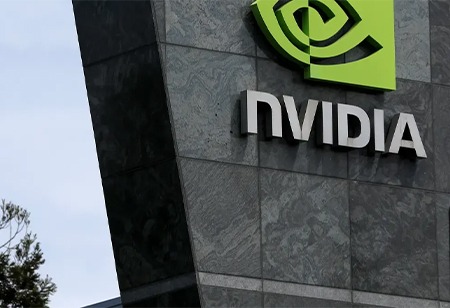
 Asian stocks were set to open higher after Nvidia’s strong earnings outlook boosted technology shares and renewed investor confidence across the Asia-Pacific region. The gains came as fresh US inflation data showed continued price pressures ahead of the Federal Reserve’s September policy meeting.
MSCI's other broadest index of shares in Asia-Pacific, excluding Japan, climbed 0.7% to extend three sessions of gains in the region. The positive sentiment followed Nvidia's quarterly results which showed its revenue more than double, and a forecast for the revenue in the third quarter that beat Wall Street expectations.
Both the positive tone and the broader AI-related stocks validated semiconductor and technology hardware stocks in the area. US stocks were stronger in after-hours trading, with Nvidia up 4.7% and the S&P 500 futures 0.4% higher.
Also Read: Japanese Yen Rallies 160 to the Dollar, Asian Stocks Climb Ahead of Fed Decision
Chris Weston, Pepperstone Group research head in Melbourne stated that the company's company was in “absolutely rude wellness.” The findings may cause investors to reevaluate their investments in the AI growth story, he said, noting that “it's a really bullish story, anyone that's providing Nvidia through the supply chain will likely benefit today.”
South Korea's KOSPI rose 1.5% but cut some of its previous gains as the Bank of Korea (BOK) increased its benchmark interest rate by 25 basis points to 3%. The shift was widely anticipated and saw the monetary policy and borrowing costs remain the top considerations for investors.
Taiwanese stocks also rose, up 0.9% as businesses regained their confidence on the prospect of AI demand and the broader semiconductor supply chain. Japan's Nikkei 225 index fell 0.4%, in contrast.
Shares ended up marginally on the upside in the U.S., with the S&P 500 closing almost unchanged on a worldwide basis. Investors took a new look at the latest inflation data following an unexpected rise in the US personal consumption expenditures (PCE) index in July from June, but a 0.1% drop, indicating that the economy is stoking prices in the face of food shortages. The PCE index rose 0.2% in July from June, and investors were taking fresh interest in the latest inflation data as the economy is pushing prices up against food shortages.
Analysts at Societe Generale noted firmer data in the reading of the core PCE, which was generally in line with expectations. The inflation backdrop, then, has become a bit stronger leading into the September Fed meeting, the analysts wrote.
US Treasury markets were also under a microscope. Investors were waiting for Federal Reserve Chair Kevin Warsh's speech on Aug. 28 in Jackson Hole, Wyoming, to drive the yield down 1.5 basis points to 4.647% on the 10-year US Treasury bond. His comments will be seen as additional clues from Fed officials on the path forward for U.S. interest rates and monetary policy.
Brent crude oil was down 0.7% to US$87.20 a barrel, continuing a fourth straight daily drop in commodities. Meanwhile, oil markets were keeping an eye on the diplomatic picture, with Qatar's prime minister expected to travel to Tehran on Wednesday, Aug. 27, with a view to bringing a resurgence to the peace negotiations between Iran and the United States.
Also Read: Asian Stocks Rise as Oil Fluctuates with Iran Deadline in Focus
The Asia-Pacific region stocks were broadly higher, with positive sentiment around the AI sector more than offsetting worries about sticky US inflation, rates and geopolitical events. Investors are still keenly watching corporate profits, semiconductors demand, central-bank policy and other economic indicators in the United States for the next global market direction.