
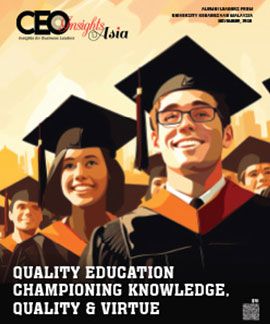
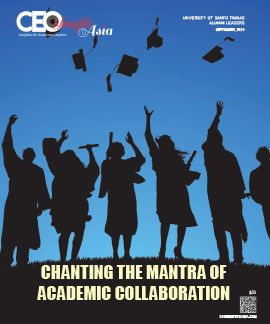
Asia’s universities are quietly becoming the region’s most important economic engines. They train the engineers, entrepreneurs and executives who will run tomorrow’s companies, and they work as national investments as much as classrooms.
The influence of higher educational institutions runs through three channels. They supply talent at scale: graduates from institutions such as NUS, Tsinghua, the IITs and the University of Tokyo fill the boardrooms and startup ecosystems of the region. They also drive innovation, since campus research labs and incubators turn ideas into companies, patents and jobs. And they shape mindset, because exposure to global peers, case-based learning and entrepreneurship programmes builds the confidence and cross-border fluency that modern leadership demands.
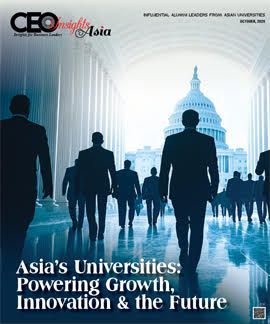
Asia’s Economic Future rides on the Shoulders of Young University Students
By: Rachita Sharma, Managing Editor
The impact of higher educational institutions on Asian economies and business landscape is hard to overstate. Ask almost any CEO or startup founder in Asia where they studied, and the list of answers is surprisingly short.
Turnin Business Complexity into Growth Opportunities: Leadership Q&A
By: William Lumentut, President Director, Country GM, BAT
Turning around a business demands more than a new strategy; it requires the ability to recognize untapped potential, make difficult choices, and bring people together behind a clear direction.
By: JP Yu, Vice President, Proofpoint, Inc
The APAC region is traveling through an alarming cyber environment filled with vulnerabilities. According to reports, the yesteryear wasn’t kind either, clocking a worrisome increase in attacks
By: Gitta Perez, Director – Middle East & India (Region Head), Business Finland
In the current fast-evolving business environment, the importance of ongoing learning and skill enhancement has become more apparent.
By: Yoonjae Shin, CEO, iShopping
In Southeast Asia’s fast-evolving business landscape, international joint ventures (JVs) have become one of the most common strategies for companies seeking growth in new markets.
By: Alka Malik, MD & Founder, Ascentria
Educational leadership is about inspiring and empowering educators and students to reach their full potential while fostering a culture of continuous improvement and innovation.
By: Tam Trinh, Chief Data & Analytics Officer, Nikel
With two decades of experience in financial services, Tam Trinh is a data and analytics leader specializing in risk modeling, digital transformation and fintech innovation across emerging markets.
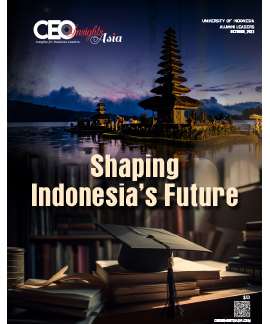
Influential Alumni Leaders from Asian Universities - 2026
Asia’s universities are quietly becoming the region’s most important economic engines. They train the engineers, entrepreneurs and executives who will run tomorrow’s companies, and they work as national investments as much as classrooms.
The influence of higher educational institutions runs through three channels. They supply talent at scale: graduates from institutions such as NUS, Tsinghua, the IITs and the University of Tokyo fill the boardrooms and startup ecosystems of the region. They also drive innovation, since campus research labs and incubators turn ideas into companies, patents and jobs. And they shape mindset, because exposure to global peers, case-based learning and entrepreneurship programmes builds the confidence and cross-border fluency that modern leadership demands.
The numbers show how far the region has come. Asia now has 565 ranked universities in the QS World University Rankings 2026, more than Europe, the Americas, Africa or Oceania. In India alone, higher education enrolment grew from 3.42 crore in 2014-15 to 4.50 crore in 2023-24.
As more women and first-generation learners enter classrooms, countries widen the pool of talent that powers productivity, consumption and innovation. Governments that invest in universities are therefore investing in their long-term competitiveness. The leaders who emerge from these campuses will largely decide how Asia’s economies grow in the decades ahead.
Our subscribers play a decisive role in finalization of our annual list of "Influential Alumni Leaders from Asian Universities - 2026" by nominating those which have served them with excellence and are praiseworthy. If you feel there is a company that deserves to be on our annual list, do write to us about them mentioning their value proposition.
| Company Logo | Company Management | Company Name | Company Description |
|---|---|---|---|
 |
Chris Chin Shang Yoon, Founding & Managing Partner | Shang & Co. | The legal profession demands more than an understanding of statutes and precedents; it requires sound judgment, critical thinking and an ability to understand the broader interests of those seeking legal counsel. |
 |
Lee Hwee Cheen, CEO | LNS Integration | The University of Malaya (UM), Malaysia's oldest and most prestigious public university, has long been recognized for producing graduates who combine academic excellence with practical leadership capabilities. |
 |
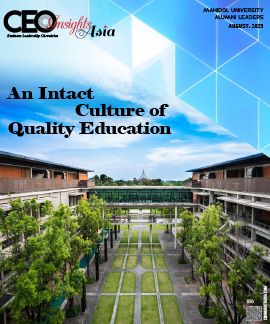
Kanchana K, CEO & Managing Director | Peninsula Tailors | Institutions often shape leaders long before they shape industries, and Mahidol University has built a reputation for doing exactly that. |
 |
YBhg. Datuk Syed Faizal Shah, Group Managing Director | SSRV Holdings Sdn Bhd | Universiti Teknologi MARA (UiTM) is one of Malaysia’s largest and most influential higher education institutions, renowned for its commitment to academic excellence, industry relevance, and the development of future leaders. |
Other Issues
We use cookies to ensure you get the best experience on our website. Read more...

















.jpg "Nishith Rastogi : Leading the next wave of logistics innovation")
.jpg "Marketing In the AI Era")


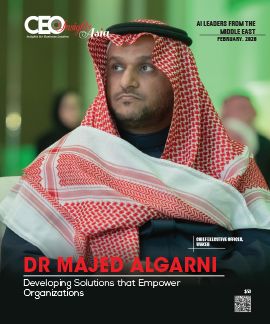

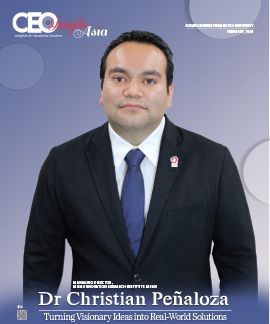


.jpg "Achintya Acharya: Pioneering Innovation In Semiconductors & Advanced Technologies")

.jpg "Immanuel Williams: Empowering Leaders through People-Centric Coaching")
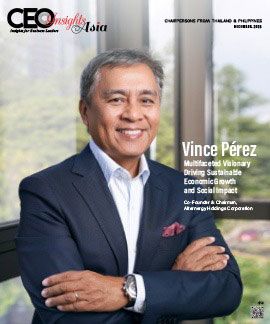


.jpg "Patric Lau : Empowering Growth Through Financial Expertise")
.jpg "Capt. Vijay Nicodemus : Sailing into Strategy, Steering with Substance")
.jpg "Bokyeong Park: The Strategist Who Influenced the Shape of Modern-day Global Arbitrationy")



















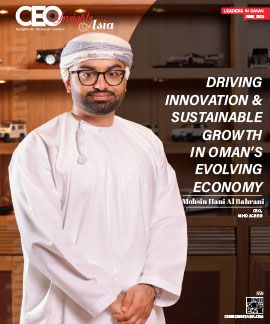
.jpg "Satvinder Kaur Sadu Singh: A Genuine Problem-Solver Turned Entrepreneur")



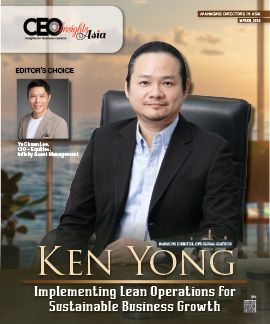


.jpg "Kevin Shepherdson: Unlocking The Potential Of Generative AI For Businesses")





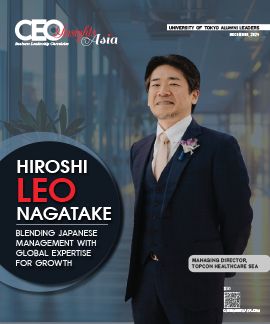


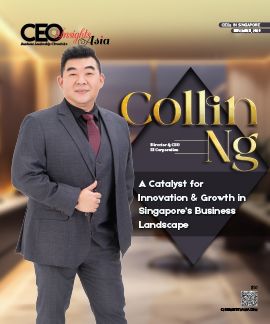


















.jpg "Economic Diversification In Progress")


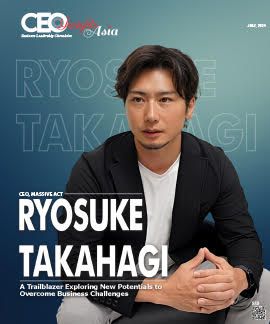





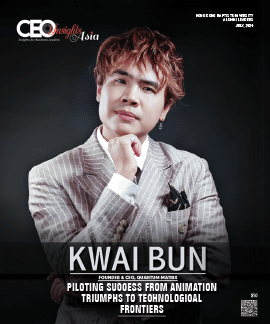


.jpg "Norsharizal Mashahrin: Pioneering Financial Leadership For Economic Empowerment")

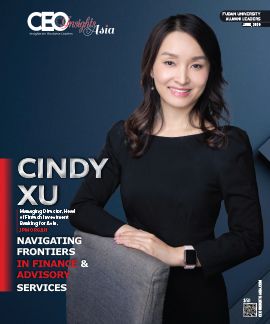


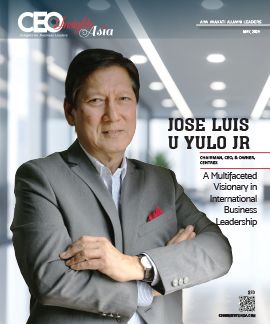







.jpg "Leading Taiwan In The Digital Age")



.jpg "Ludovic Lassauce: A Visionary Leader Shaping The Future Of Connectivity With Innovation")



.jpg "Tan Lay Seong: An Exemplary Leader & Innovator in the Insurance Advisory Industry")


.jpg "Kotaro Fukudome: A Driving Force In The World Of Professional Coaching")









.jpg "Raul L. Quisumbing: Driving Success with Visionary Leadership at Globalport")






.jpg "Turangga Harlin: A Legal Luminary & Trailblazer Leader")



.jpg "Syahrunizam Samsudin: Driving Uem Edgentas Technological Transformation For Sustainable Growth & Positive Impact")


.jpg "Bhavik Shah: Bridging The Gap Between Culture & Technology")
.jpg "Prof. Sattar Bawany: Meticulously Forging Next Generation Of Leaders & Businesses Of Tomorrow")









.jpg "Sharam Gulzad: A Seasoned Business Executive Leading The Gulzad Group With Fresh Perspective & Cutting-Edge Approaches")
.jpg "Osama Ibdah: Helping Businesses Grow With His Rich Financial Expertise")



.jpg "Frederic Levy Perrault: On A Mission To Transform Al Raya Supermarkets")

.jpg "Vishal Bhatnagar: An Accomplished Intrapreneur Establishing Successful Business And Product Frameworks")